
China Fruit Procurement: Separate Fresh-Fruit Access from Frozen-Product Planning
A practical fruit buying workflow for China, covering product identity, import checks, packing records and receiving evidence.
Plan each destination and product form
A China buyer comparing fresh and frozen fruit should not use one import checklist for both. Start with the exact fruit, cultivar, declared origin, product form and intended use. For fresh fruit, the importer should confirm plant-quarantine access and any production or packing conditions. For processed food, check classification and whether the processing establishment is subject to GACC registration.
Build the import and shipment file
China’s Decree 280 framework became effective in 2026 and replaced Decree 248; its requirements have a specific scope and should not be assumed to govern every fresh agricultural product in the same way. The importer should check current GACC guidance, the relevant bilateral protocol and the product-specific pathway before purchase. GACC Decree 280 guidance
Confirm the commercial order
Keep the buyer’s fresh-fruit and processed-food checklists separate. One should name species, origin, orchard/packhouse status, treatment and phytosanitary documents; the other should name the processing establishment, product category, ingredient or form, registration scope and label. That distinction prevents a document approved for one supply chain from being reused for another.
Product buying guides for China
- How to Source White Dragon Fruit Wholesale for China
- How to Source Red Dragon Fruit Wholesale for China
- How to Source Seedless Limes Wholesale for China
- How to Source Ri6 Durian Wholesale for China
- How to Source Musang King Durian Wholesale for China
- How to Source Monthong Durian Wholesale for China
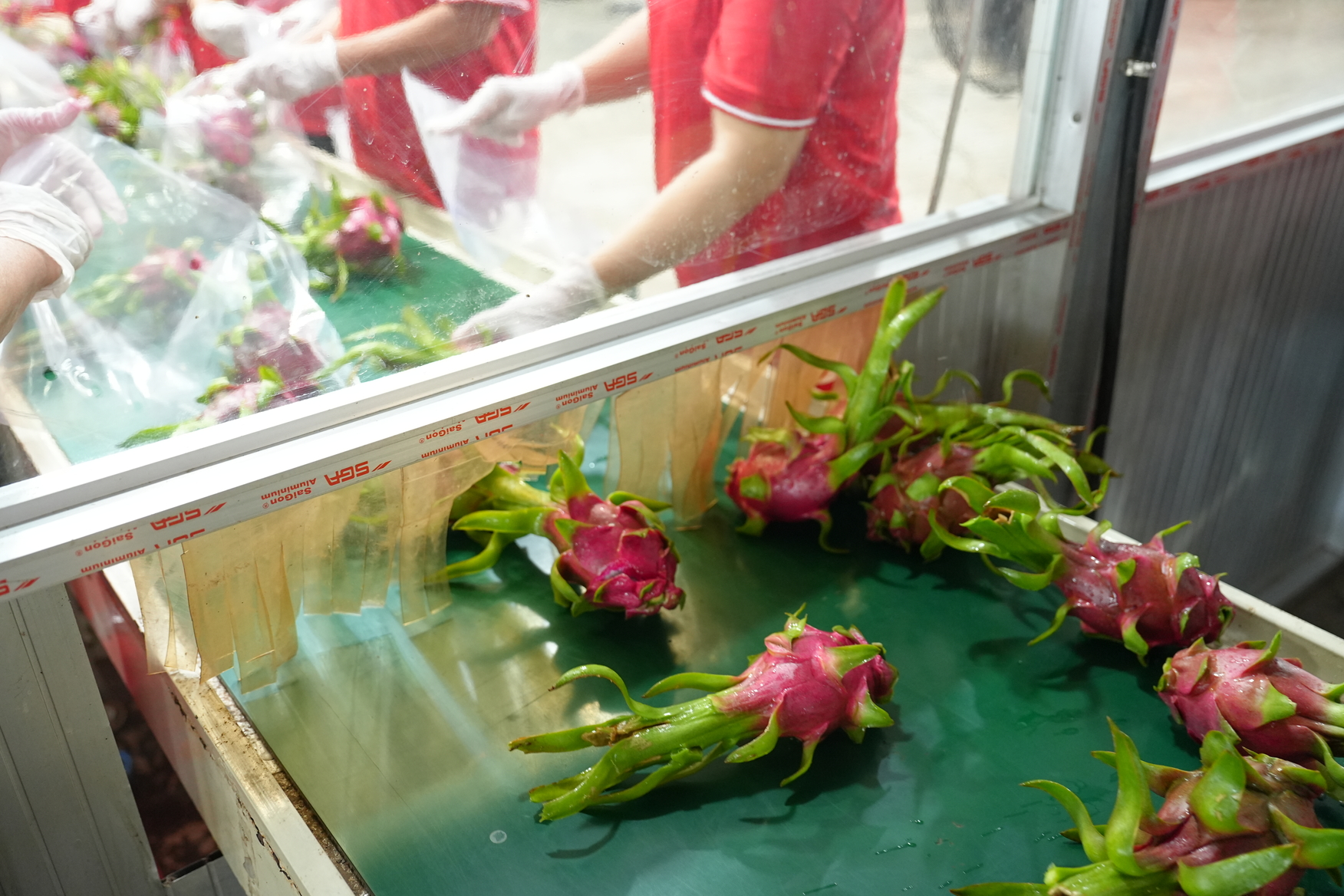
Photo: HAFAMEX website photo archive.
Discuss your order
To discuss a fresh and frozen fruit inquiry for China, send HAFAMEX your destination, product form, quantity, target delivery window and packing preference. Include the import conditions confirmed by your local buyer. Contact HAFAMEX.