
Fresh, Frozen or Dried Fruit for Taiwan: Choosing the Right Form
Compare fresh, frozen and dried fruit for Taiwan by customer use, handling capacity, usable yield, ingredient statements and product-specific import checks.
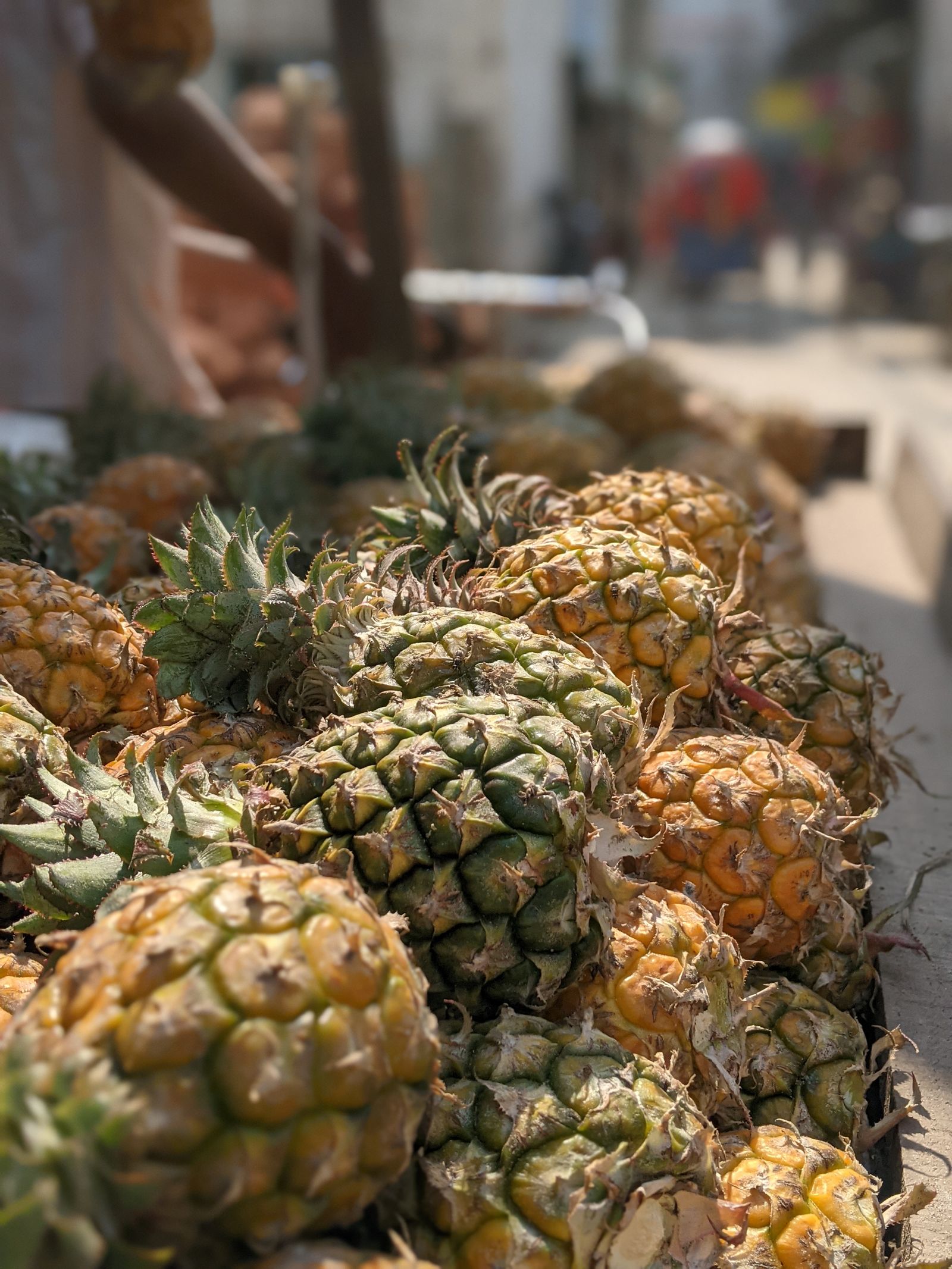
Choosing fresh, frozen or dried fruit for Taiwan starts with the customer’s intended use and the product’s applicable import requirements. These forms differ in texture, handling and commercial calculation. One should not be treated as an automatic replacement for another merely because the fruit name is the same.
Use fresh fruit when the whole-fruit experience matters
A fresh-fruit program may be built around appearance, eating quality and a particular retail or foodservice presentation. The buyer needs an appropriate maturity, size, packaging and distribution plan.
Before discussing large quantities, verify access for the exact commodity and production origin through APHIA’s approved-plant information. Commercial familiarity does not establish eligibility. Then assess whether the proposed route and customer turnover can support the fruit’s practical selling window.
Evaluate frozen fruit as a defined ingredient or product
Frozen whole fruit, cut pieces, flesh and puree are distinct offers. Confirm ingredients, product identity, packaging, storage instructions and preparation requirements. Ask whether the product is intended for further processing or for another stated use.
Test performance under the customer’s actual procedure. A piece intended to remain visible after thawing needs a different assessment from puree blended into a recipe. Include the operational cost of portioning and safe handling in the comparison.
Review dried fruit beyond the fruit name
Ask whether the product is dried without additions, sweetened, coated or part of a mixture. Confirm the full ingredient statement and manufacturer’s specification. Assess texture, piece size, appearance and other attributes relevant to the application.
Packaging and storage requirements must come from the product’s validated specification. Do not assume that every dried product has the same shelf life or can be stored under any ambient condition. Review food-safety evidence for the specific process and intended use.
Compare on a consistent usable-output basis
A kilogram of fresh whole fruit is not the same commercial unit as a kilogram of prepared frozen ingredient or dried product. Include edible yield, preparation labor, recipe usage and waste where relevant.
For illustration, a cafe comparing two fruit ingredients should calculate the amount and cost needed for the same acceptable serving. A processor comparing whole fruit with prepared flesh should measure actual usable output under a defined trial. Do not use an unsupported universal conversion ratio.
Recheck classification and labeling for each form
Taiwan’s imported-food inspection framework uses product and classification information as part of the process. Have the importer review the exact form instead of reusing a fresh-fruit description for a processed ingredient.
The same principle applies when the formulation changes. Added ingredients, a different process or a new pack can affect the review. Keep the approved specification and artwork tied to the particular product code.
Frequently asked questions
Which form has the lowest purchasing risk?
There is no universal answer. The better fit depends on access, customer demand, handling capacity and documented product performance. Evaluate the full operation rather than one isolated advantage.
Can a buyer trial all three forms together?
Yes, if each is evaluated against its intended use and requirements. Do not score them as though they were identical products or compare prices without adjusting the commercial basis.
Discuss your sourcing requirements
For a Taiwan sourcing inquiry, send HAFAMEX the exact fruit and product form, destination, intended use, net quantity, delivery window and packing preference. Include the import requirements already confirmed by your local importing business. Contact HAFAMEX.
Related export guides
- Taiwan Fresh Fruit Market Access: How to Check Before Ordering
- Tropical Fruit Ingredients for Taiwan Beverage and Dessert Buyers
Information reviewed on 28 October 2026. Confirm the applicable product requirements with the responsible importer and authority before dispatch.
Illustrative photograph by Fahim Ahammad via Pexels, used under the Pexels License.

