
Passion Fruit Cold Chain: Plan Useful Temperature Records
Make temperature records usable for passion fruit shipments. Agree the fruit condition, logger placement, time settings and handover notes before dispatch.
A passion fruit cold chain record is most useful when the buyer can explain where the sensor was and what happened around it. A smooth graph without a location or shipment reference may answer very little. Agree the monitoring plan before dispatch so temperature data can be assessed alongside the fruit's maturity, packaging and observed condition.
Agree the handling plan for the actual fruit
UF/IFAS describes differences in passion fruit handling associated with fruit type and storage conditions. That is a reason to confirm an appropriate programme for the proposed lot, rather than treating one published number as a setting for every consignment. Ask the supplier and logistics team to document the chosen conditions, their basis and the action required if the plan is interrupted.
Specify the starting point for monitoring: packing, transfer to a cold room, loading or another agreed event. If the instrument is switched on after an earlier handling stage, the record cannot retrospectively describe that stage. Identify any period supported only by other records.
Make the logger identifiable and its position meaningful
- Record the instrument identifier, measurement interval and time zone.
- Retain its accuracy or calibration information appropriate to the task.
- Draw or photograph its position relative to the cartons and airflow.
- State whether it measures surrounding air or uses another agreed method.
- Assign the person who starts, retrieves and downloads it.
Do not insert a device into fruit or packaging in a way that damages the product or compromises food safety. Use placement agreed with the responsible operator. A sensor near a door and one within a pallet may record different environments; neither should be described automatically as the temperature of every fruit.
Put transport events on the same time line
Keep loading, departure, unloading and cold-room entry times with the record. Include waits and transfers rather than reporting only the main journey. When a shipment crosses time zones, preserve the original file and create a clearly labelled comparison time line. A clock mismatch can make a temperature change appear to belong to the wrong operator.
For example, an illustrative record may show a change at 14:00 while the receiving note uses another time zone. Resolve the clock basis before linking that change to an unloading event. Do not edit the raw readings to make the records align. Keep annotations separate so another reviewer can reproduce the interpretation.
Use the graph to guide investigation
If the readings leave the agreed range, record the timing, duration and context. Check equipment information, handling notes and fruit observations before concluding why it happened or what the commercial outcome should be. An air-temperature excursion alone does not establish the internal condition of all fruit, and an apparently normal trace does not rule out every quality problem.
Compare the monitoring results with the receiving sample and later use of the fruit. For recurring routes into the UAE, India or Southeast Asia, retain comparable records from successive trials so changes can be evaluated. Agree any commercial claim procedure separately; the logger is evidence within that process, not an automatic allocation of responsibility.
Share the intended route and monitoring brief through the HAFAMEX Passion Fruit page, with the handling conditions that still require confirmation.
Continue with the guide to passion fruit skin and internal quality.
References: UF/IFAS: Passion Fruit Postharvest Handling Practices and Physiological Disorders.
Other language versions: Tiếng Việt · 简体中文 · العربية.
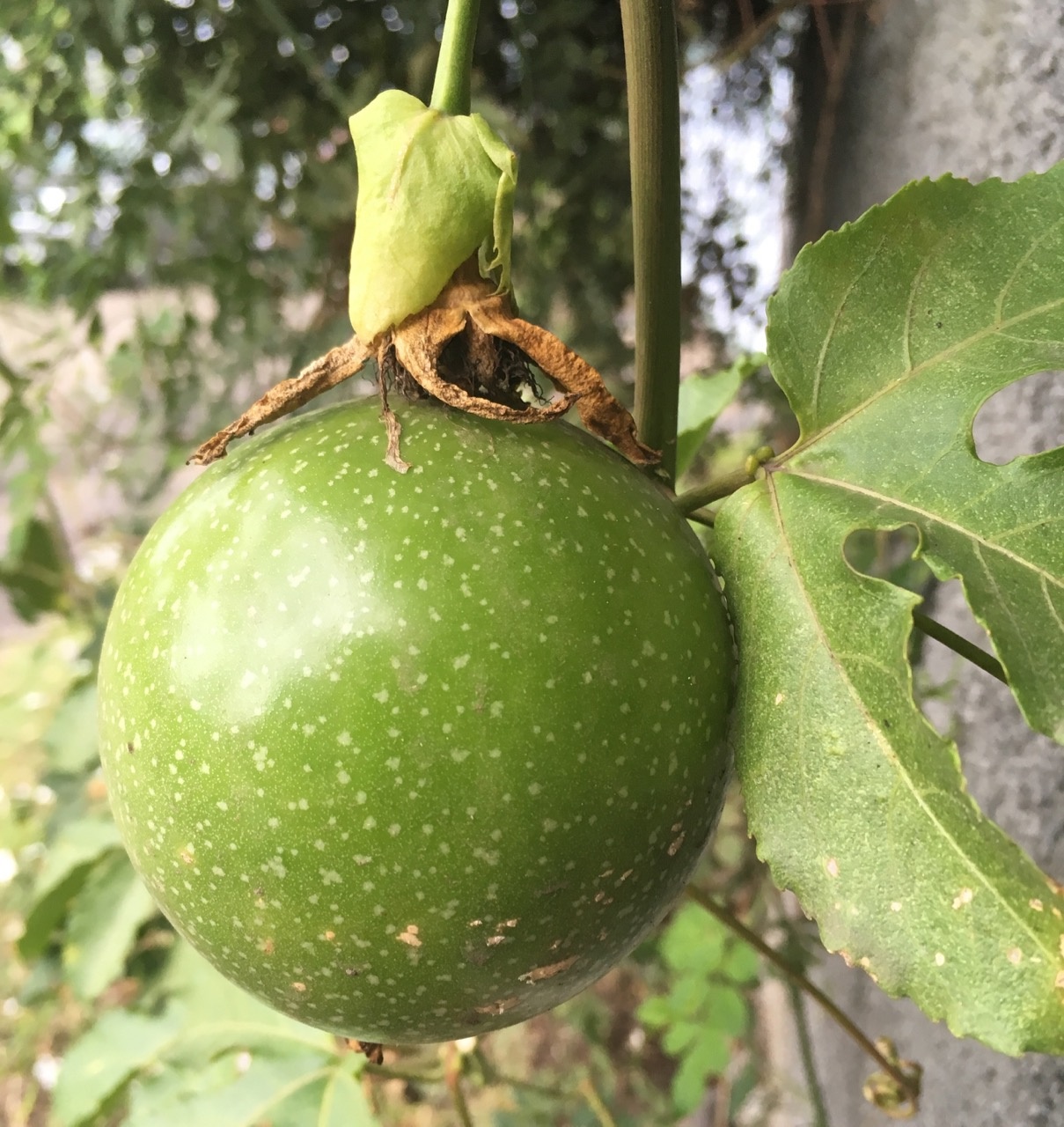
Illustrative photograph: Saga70 — Fruit de la passion ou passiflore.jpg · Source · CC BY-SA 4.0. Resized and orientation normalized for website display.


