
China Pesticide Residue Checks for Fruit: A 2026 Buyer’s Plan
Prepare a fruit residue-testing plan for China using current standards, crop-specific laboratory scope, representative samples and lot-linked records.
China fruit pesticide residue checks should be planned before the lot is packed. A general laboratory report marked pass is not enough unless the buyer understands the crop, sampling basis, substances tested and applicable limits. In 2026, buyers also need to make sure an old specification has been reviewed against the current standard.
Identify the current standard
China’s National Health Commission announced GB 2763-2026 for maximum pesticide residue limits in food, replacing the earlier GB 2763-2021 and GB 2763.1-2022 standards, with implementation from 1 March 2026. The official announcement also identifies associated analytical-method standards.
Have the importer and laboratory confirm the requirements applicable to the specific fruit and shipment date. Do not reuse a numerical limit from another crop or assume that the destination accepts a supplier’s domestic standard as equivalent.
Begin with the farm’s actual treatment history
Ask the producer for the relevant pesticide-use records for the lot or supplying area. Give the laboratory enough information to assess whether its proposed analytical scope addresses the likely substances and residue definitions.
A large number of compounds on a report does not automatically mean the most relevant ones were covered. The objective is appropriate coverage, not the longest list. Discuss any substances requiring a separate method or special preparation with qualified laboratory staff.
Establish a representative sampling plan
Decide who takes the sample, which lot it represents and how it is sealed and identified. Record the sampling date, quantity and chain of custody. If fruit from different sources is combined, determine whether the sample can meaningfully represent the resulting commercial lot.
Avoid sending a convenient handful of selected fruit without explaining the lot. A report can only support a purchasing decision within the limits of its sample and method. The supplier and buyer should understand those limits before dispatch.
Review what the report actually says
Check the sample description, lot reference, test method, analytes, reporting units and detection or quantification limits as relevant. Have a competent reviewer compare results with the applicable crop-specific requirements.
Not detected is a method-dependent result. It does not mean a substance is absent at every possible concentration. Similarly, a report’s pass statement should identify the basis of assessment. Ask for clarification if the standard version or product classification is unclear.
Link the result to a release decision
Create a hold-and-release procedure for the intended shipment. Identify who reviews the laboratory result and what happens if a result is inconclusive or outside the agreed specification. Do not load first and leave the responsible reviewer to resolve a missing report afterward.
Keep the report with production, packing and dispatch records. If the lot changes, review whether the evidence still applies. An old report from the same exporter may provide background, but it should not be presented as a test of a new shipment.
Frequently asked questions
Can washing replace residue compliance?
No general washing assumption should be used to approve a non-compliant lot. The shipment must meet applicable requirements under the relevant assessment and test conditions.
Does a clean residue report guarantee customs clearance?
No. Residue testing addresses one part of the import review. Market access, plant quarantine, other food-safety requirements and document consistency remain separate obligations.
Discuss your sourcing requirements
Discuss a China-bound fruit order with HAFAMEX by sharing the product and processing form, destination, quantity, grade, packing and delivery window. Include your importer’s confirmed access and documentation instructions so the proposed supply can be reviewed against the actual order. Contact HAFAMEX.
Related export guides
- Exporting Vietnamese Fruit to China: A Commercial Buyer’s Roadmap
- Vietnamese Dragon Fruit for China: Writing a Better Purchase Specification
Information reviewed on 28 October 2026. Confirm the applicable product requirements with the responsible importer and authority before dispatch.
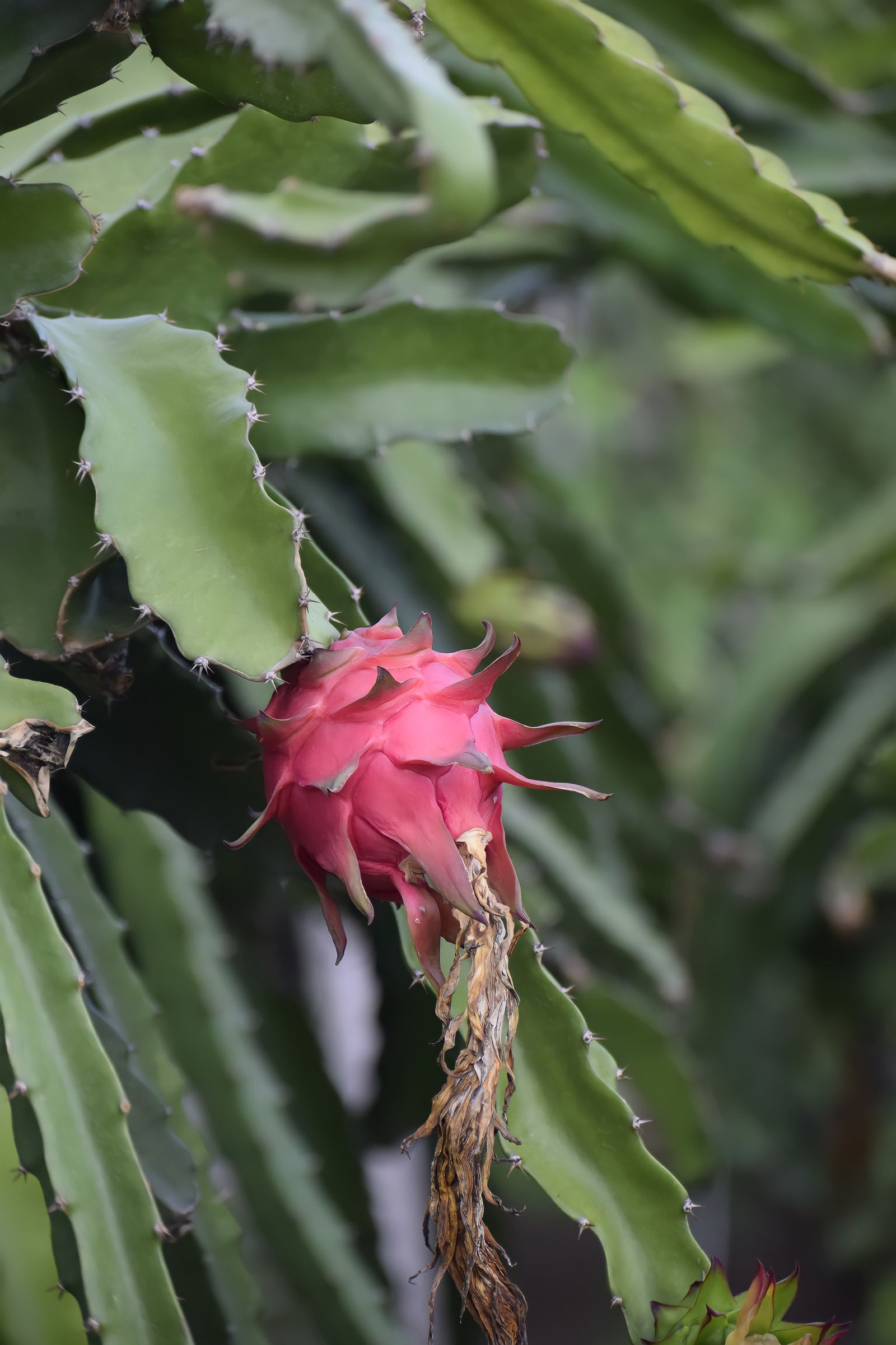
Illustrative photograph by Thayananth G.T via Pexels, used under the Pexels License.

