
Frozen Tropical Fruit for Middle East Foodservice: A Buyer’s Guide
Choose frozen tropical fruit for Middle East foodservice with practical checks for product form, ingredients, thaw performance, portions and storage.
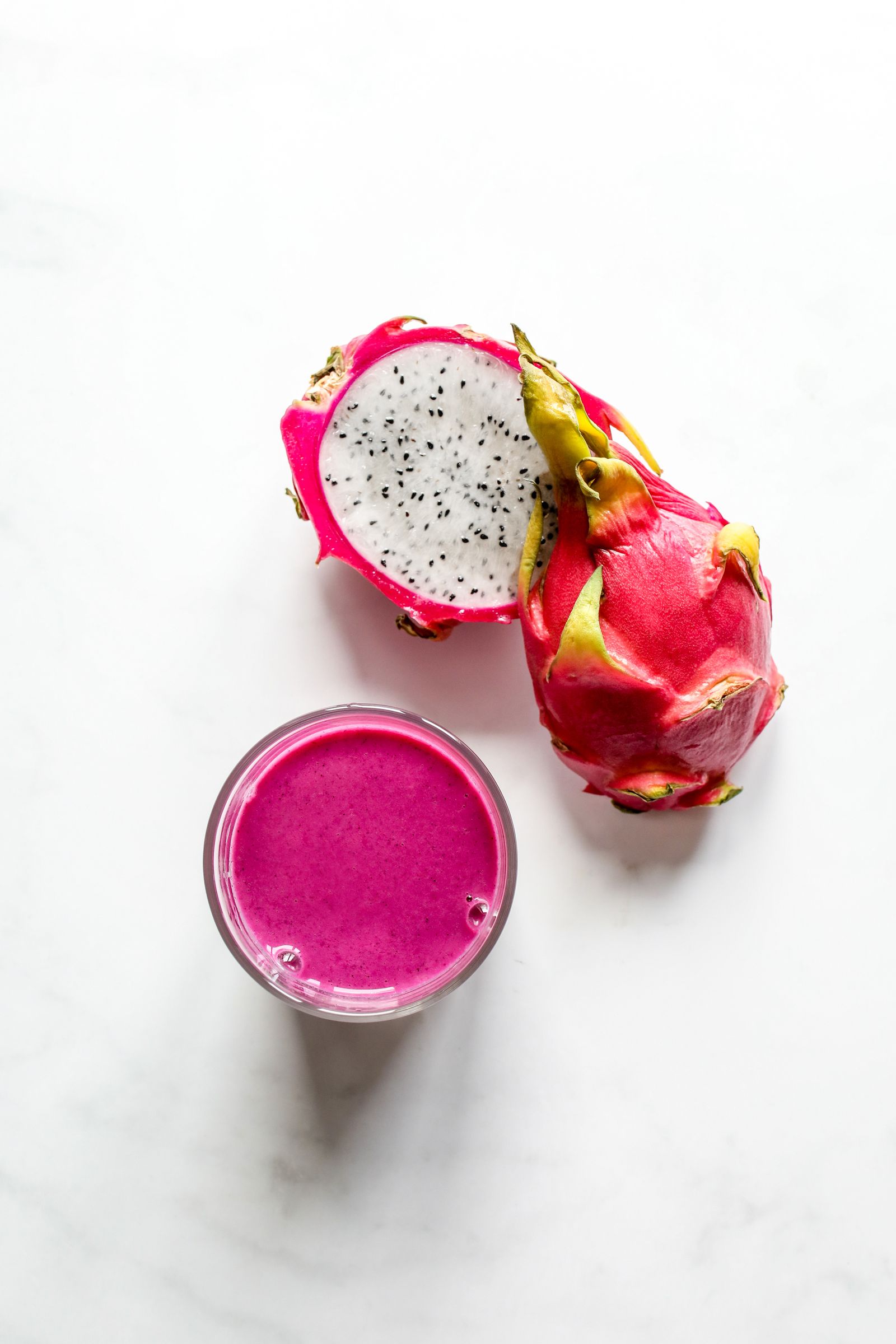
Frozen tropical fruit for Middle East foodservice should be purchased around the kitchen’s recipe and handling process. A smoothie counter, bakery and dessert manufacturer may all buy fruit, but their preferred texture, portion size and processing form can be very different. A precise inquiry avoids comparing products that will behave differently in use.
Choose the product form before discussing price
Whole fruit, cut pieces, pulp and puree are separate specifications. Individually frozen pieces may suit portioning, while a block or bag of pulp may suit a production recipe. Ask the supplier to describe the actual process and pack instead of assuming that all frozen fruit is interchangeable.
For a beverage application, clarify whether visible pieces are needed or whether the fruit will be blended. For a bakery, assess whether thawed texture or liquid release matters. For a dessert, define the required flavor, color and serving performance without making unsupported nutritional claims.
Obtain a complete ingredient statement
Ask whether the product contains only fruit or includes sugar, water, preservatives, stabilizers or other ingredients. Review allergen and cross-contact information where relevant to the process. A single ingredient claim should be supported by the manufacturer’s specification, not inferred from a product photograph.
If a buyer needs halal or organic labeling, verify the evidence for the actual product and facility. Do not infer a certification requirement or exemption from the fact that the main ingredient is plant-based. Saudi Arabia’s fruit-product clearance guidance is one example of why claims require product-specific review.
Test the ingredient in the intended recipe
Run a controlled trial with a measured portion and a written preparation method. Compare flavor, texture, appearance and usable yield under the same conditions. Record whether the recipe uses the fruit frozen, partially thawed or fully thawed.
Calculate cost per finished serving. For illustration, a 1 kg pack used in 100 g portions provides ten theoretical portions before process losses. The actual number depends on the recipe and handling. This simple calculation is more useful than comparing pack prices without checking fruit content and yield.
Match pack size with the kitchen’s workflow
A large bag may reduce packaging per kilogram but become awkward if a small outlet must repeatedly handle it. A smaller pack may fit the preparation cycle better. Ask how portions are removed and how remaining product is protected under the approved food-safety procedure.
Specify the net weight, sealing method, lot mark, shelf-life evidence and manufacturer’s storage instructions. Have the destination team review labeling and classification for the offered product form. Fresh-fruit market access is not evidence that a particular processed product has already met its own import requirements.
Verify the frozen chain through receiving
Confirm suitable storage at origin, transport, clearance and destination. Record shipment monitoring requirements and the receiving checks agreed with qualified staff. Freezer capacity and unloading arrangements should be ready before the order arrives.
Ask for a representative commercial sample and retain its specification with the trial notes. If a later lot behaves differently in the same recipe, those records provide a better basis for investigation than memory or a sales brochure.
Frequently asked questions
Does frozen mean ready to eat?
Not automatically. Check the manufacturer’s intended use and preparation instructions. Freezing by itself should not be treated as proof of a validated food-safety kill step.
Can a sample recipe establish shelf life?
No. Recipe suitability and shelf-life validation answer different questions. Ask for appropriate product-specific evidence and follow the approved storage and use instructions.
Discuss your sourcing requirements
For a Middle East fruit sourcing inquiry, send HAFAMEX the destination country, product and form, quantity, customer use, packing and preferred delivery window. The destination importer should confirm the current commodity-specific requirements before shipment. Contact HAFAMEX.
Related export guides
- Exporting Tropical Fruit to Qatar: A Procurement Checklist
- Frozen Durian for China: A Processing Buyer’s Specification
Information reviewed on 28 October 2026. Confirm the applicable product requirements with the responsible importer and authority before dispatch.
Illustrative photograph by Polina Tankilevitch via Pexels, used under the Pexels License.

