
Cold Chain Planning for Fruit Shipments from Vietnam to the Gulf
Plan fruit shipments from Vietnam to Gulf markets with a practical approach to cooling, loading, monitoring, handovers and arrival evidence.
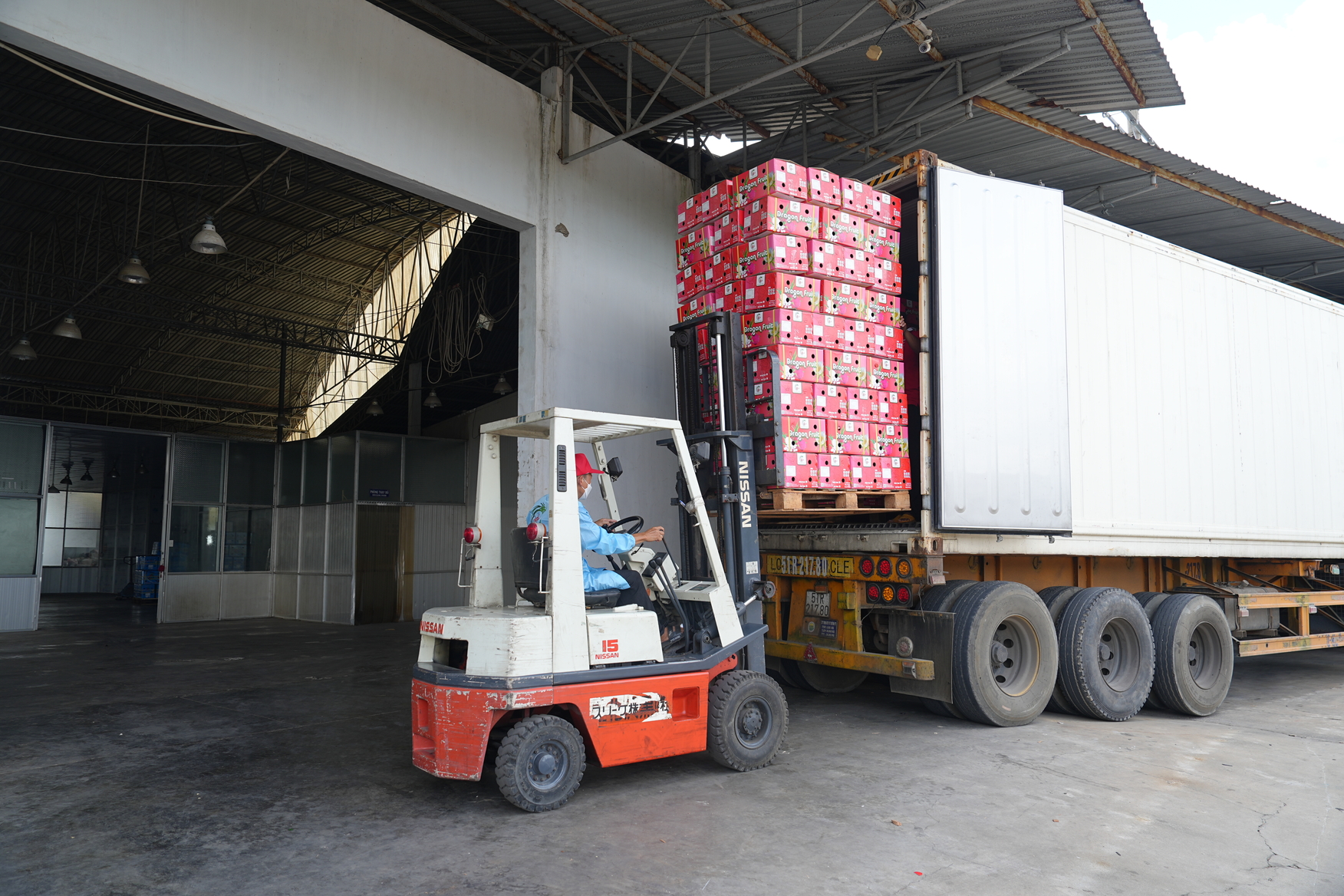
A fruit cold chain from Vietnam to the Gulf is a sequence of handovers, not simply a refrigerated booking. The exporter, loading team, carrier, broker and warehouse each influence the condition of the arriving lot. Planning works best when the parties agree what must be controlled and what evidence will be recorded.
Map the complete route
List the steps from harvest and packing through collection, terminal handling, main transport, clearance and final delivery. Note where the fruit waits and who controls it at each stage. Include expected transfers rather than considering only the vessel or flight time.
Use the route map to identify unanswered questions. Is suitable storage available if release is delayed? Who responds to an equipment alarm? Who authorizes a change in delivery time? Assign names and contact methods before loading.
Set a product-specific handling plan
Different fruits can require different conditions. Variety, maturity and packaging also affect the plan. Have qualified technical staff determine the appropriate temperature, humidity and ventilation arrangements for the actual lot.
The Codex code on packaging and transport of fresh produce emphasizes appropriate pre-cooling, equipment condition and compatible mixed loads. Use those principles to review the operation; do not copy a temperature from one fruit to another.
Distinguish product temperature from equipment settings
A setpoint describes a machine instruction. It does not, by itself, prove that the product reached the intended condition before loading or remained there throughout the journey. Agree how the packing team will measure and record the lot before dispatch.
Choose monitoring locations and devices with the handling specialists. Record the device identifiers and where they were placed. Ensure the receiver knows how to retrieve the information. A logger that cannot be associated with the shipment offers limited value when an issue occurs.
Review the loading arrangement
Check that packaging, stacking and load restraint fit the equipment. Air must move as required by the approved plan. Avoid approving an arrangement just because it fits more cartons into the available space.
Inspect equipment cleanliness and condition before loading. Keep records of the load arrangement, lot marks and any observed defect. These checks should be conducted under the operator’s safe working procedures and without exposing staff to unnecessary hazards.
Prepare the receiving operation for delays
Arrange a receiving appointment and a suitable place for immediate inspection. Confirm warehouse capacity, equipment and the route from unloading to storage. FAO’s cold-chain guidance for perishables treats destination handling and product monitoring as part of the overall chain.
When a delay occurs, document its timing and the conditions actually observed. Preserve transport and monitoring records. Avoid concluding that a single warm air reading proves the full product history, or that an acceptable setpoint proves every carton remained in specification.
Use arrival results to improve the next load
Compare product condition, rejected weight and customer performance against the recorded journey. Identify the specific weak handover before changing packaging, settings or route. Change one variable at a time where practical so trial results remain interpretable.
Frequently asked questions
Can refrigeration recover damaged fruit?
It cannot reverse existing decay, mechanical damage or unsuitable harvest maturity. Good transport depends on an acceptable lot entering the chain.
What evidence helps resolve a quality complaint?
A consistent lot identifier, packing and loading records, monitoring data, transport events and a prompt representative receiving inspection provide a much stronger picture than isolated photographs.
Discuss your sourcing requirements
For a Middle East fruit sourcing inquiry, send HAFAMEX the destination country, product and form, quantity, customer use, packing and preferred delivery window. The destination importer should confirm the current commodity-specific requirements before shipment. Contact HAFAMEX.
Related export guides
- Dragon Fruit Wholesale in the UAE: Quality and Packing Guide
- Vietnamese Seedless Limes for Middle East Buyers: Buying Specifications
Information reviewed on 28 October 2026. Confirm the applicable product requirements with the responsible importer and authority before dispatch.
Photo: HAFAMEX website photo archive.