
Vietnamese Seedless Limes for Middle East Buyers: Buying Specifications
Build a clear seedless lime purchase specification for Middle Eastern buyers, covering sizing, juice yield, skin condition, packing and handling.
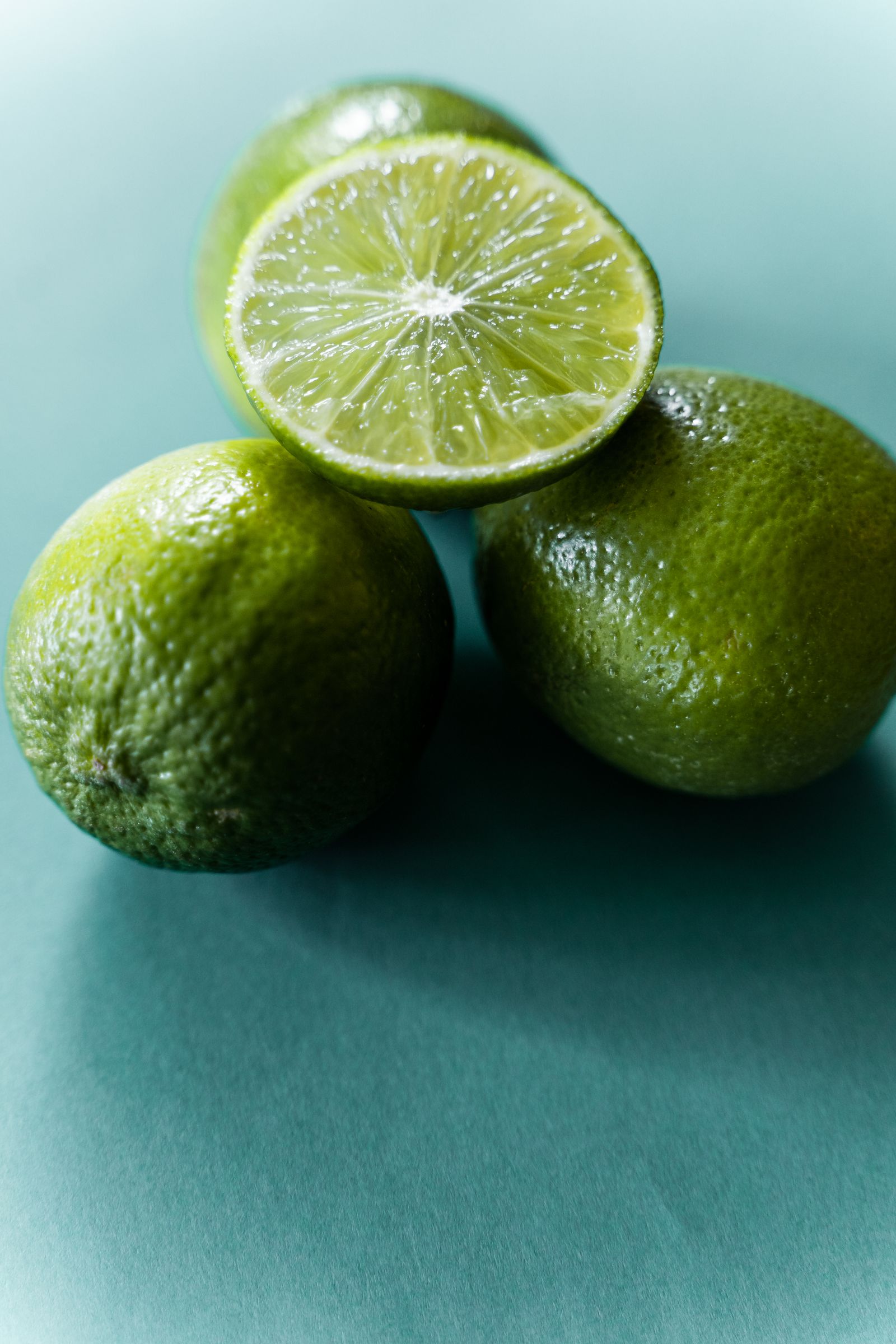
Vietnamese seedless limes can serve different Middle Eastern customers, from beverage preparation to whole-fruit retail. Buying well starts with describing the application. A restaurant squeezing juice has different priorities from a retailer selling green fruit by the piece. A shared specification helps both sides compare the same product.
Decide what the customer actually values
For beverage use, consider usable juice yield, flavor consistency and preparation effort. For retail, consider size, external appearance and the expected selling period. For garnish, check the appearance of a cut slice as well as the whole fruit.
Ask the supplier to identify the cultivar and explain what seedless means for the offered lot. Avoid treating a marketing name as a guarantee that every fruit will contain exactly zero seeds. If seed presence matters operationally, include a sampling method and an agreed acceptance rule.
Describe size without ambiguous count language
A carton count is meaningful only when carton weight and counting rules are also clear. Specify the net weight, fruit size or weight band, and acceptable variation. Request a current packed-carton photograph so the buyer can see how the proposed size fills the pack.
When comparing quotations, separate count-based and weight-based offers. Two cartons described with the same count can differ in actual weight, fruit dimensions and usable yield. Verify the commercial unit before making a price comparison.
Measure juice yield under the same conditions
Agree how the sample will be selected and squeezed. Use the same equipment, sample size and calculation for each supplier. Record the weight of the whole sample and the resulting usable juice. A hand-selected fruit squeezed differently from the commercial lot does not provide a reliable comparison.
As an illustrative purchasing calculation, a 10 kg sample producing 4 kg of usable juice has a 40% yield by weight. This is an example, not a promised product specification. The appropriate acceptance target must come from the customer’s needs and representative trial results.
Match appearance requirements with handling
Write down the desired color and permitted surface blemishes. Separate harmless cosmetic variation from decay, damage or a defect that affects the intended use. Agree whether yellowing is commercially acceptable rather than assuming every customer wants the same appearance.
UC Davis notes that lime color can be affected by ethylene and that low-temperature injury depends on exposure conditions in its lime fact sheet. Have handling staff use product-specific guidance when designing the storage plan. Do not place limes in a mixed load merely because space is available.
Review packing and the first commercial lot
Check carton strength, ventilation and the way fruit movement is controlled. Confirm that packing materials are suitable for food contact where applicable. Ask how the lot identifier remains visible after warehouse handling and distribution.
During the first order, compare the accepted specification with arrival color, damage, sample juice yield and customer feedback. Record the results before changing volumes. If the lot serves more than one customer type, report each channel separately so a retail preference does not distort the evaluation of a juice-use program.
Frequently asked questions
Should lime buyers specify only dark-green fruit?
That depends on the customer. Use a clear color description or reference image and check its relationship with maturity, intended use and route conditions.
Is price per kilogram enough to choose a juice-use supplier?
No. Compare cost per usable portion or juice yield, along with consistency, labor and transport costs. Measure these factors using the same trial method.
Discuss your sourcing requirements
For a Middle East fruit sourcing inquiry, send HAFAMEX the destination country, product and form, quantity, customer use, packing and preferred delivery window. The destination importer should confirm the current commodity-specific requirements before shipment. Contact HAFAMEX.
Related export guides
- Saudi Arabia Fruit Imports: A Practical Guide for Buyers
- Cold Chain Planning for Fruit Shipments from Vietnam to the Gulf
Information reviewed on 28 October 2026. Confirm the applicable product requirements with the responsible importer and authority before dispatch.
Illustrative photograph by Enric Cruz López via Pexels, used under the Pexels License.

