
Passion Fruit by Air or Sea: Test the Complete Delivery Plan
Compare air and sea options using the entire time from packing to sale. Build a delay allowance, validate fruit condition and compare delivered usable cost.
Deciding whether to move passion fruit by air or sea starts with the whole delivery plan, not the advertised time in transit. Packing, waiting for departure, transfers, clearance and distribution all consume time. The buyer also needs enough usable time after receipt to sell or process the fruit. A lower freight quote has little value if the route does not fit the actual lot and intended use.
Map every stage and its owner
Ask each operator for the current planned timing and what could change it. List packing readiness, pickup, terminal acceptance, main transport, destination handling, release and final delivery. Distinguish confirmed arrangements from estimates. Check the importer’s actual entry requirements before treating either route as feasible; transport availability does not itself establish permission to import.
For an India or UAE enquiry, name the destination gateway and final delivery point rather than using a country name alone. For Singapore or Malaysia, do the same. A quote for arrival at a terminal is not automatically comparable with a quote that includes delivery to the customer's receiving bay.
Reserve time for the customer to use the fruit
Write a planning equation: pre-departure time plus main transport plus destination handling plus a delay allowance plus the customer's required use period. Every term needs a clear starting point and evidence. Do not add the delay allowance only after the buyer has selected the cheapest route.
As a purely illustrative example, 2 days before departure, 4 in main transport, 2 for destination handling, a 2-day buffer and 3 days of customer use make a 13-day evaluation window. Those figures are not a real route schedule or a passion fruit shelf-life claim. Replacing the transport term changes the required window, which must then be tested against the proposed fruit and handling plan.
Validate a route with a representative trial
Use fruit, maturity and packaging representative of the intended commercial order. Keep handling records and assess samples at agreed stages through the planned use period. UF/IFAS's postharvest guidance describes passion fruit responses to storage conditions; published background should inform a trial, not become a guarantee for an untested shipment.
Record the criteria that matter to the customer: usable fruit, sensory fit, preparation performance and any agreed external appearance. Keep commercial acceptance distinct from food-safety decisions. If the trial does not support the required window, revisit the route, shipment size or use plan rather than extending a date on paper.
Compare costs on the same delivered basis
Ask for itemised freight and handling costs, noting exclusions and the commercial allocation of responsibility. Include documented loss or rejection from the trial when estimating cost per usable kilogram. Show a base case and a delay case instead of pretending that one precise figure covers every outcome.
The final decision should name the approved route assumptions and the trigger for reassessment. A change in departure frequency, fruit maturity, pack or last-mile arrangement can invalidate an earlier comparison. Confirm current schedules and the offered lot before booking; no air or sea route is promised by this guide.
Provide the destination gateway, delivery address and required customer-use window through the HAFAMEX Passion Fruit page before seeking a lot-specific delivery proposal.
Continue with the guide to defining fresh and processed passion fruit enquiries.
References: UF/IFAS: Passion Fruit Postharvest Handling Practices and Physiological Disorders.
Other language versions: Tiếng Việt · 简体中文 · العربية.
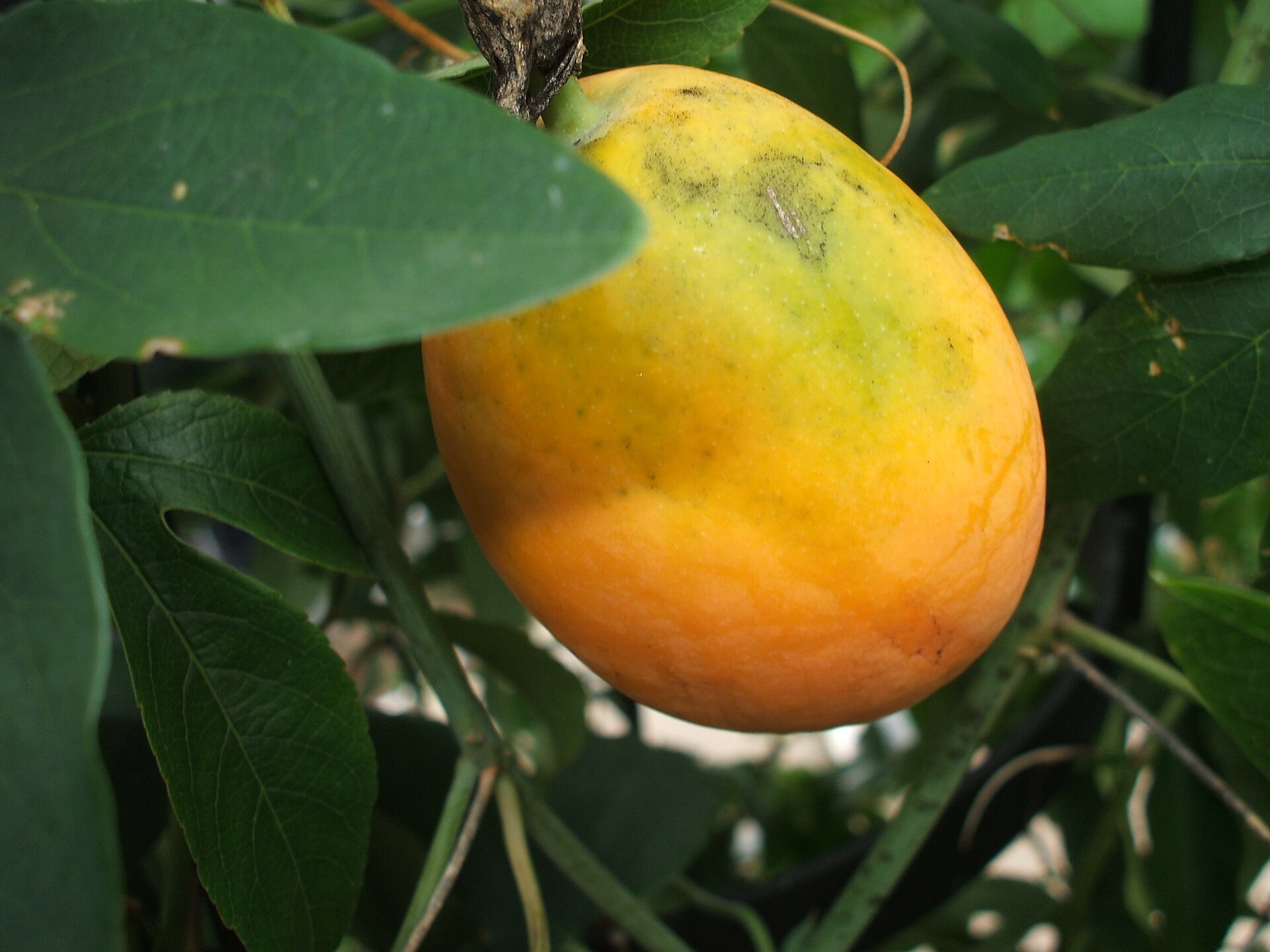
Illustrative photograph: Photo courtesy of: Henry Heatly — Maracuyá (Passion Fruit, The County Clerk).jpg · Source · CC BY-SA 2.0. Resized and orientation normalized for website display.


