
Passion Fruit Aroma: Compare Samples Without Masking Differences
Evaluate passion fruit aroma with coded samples, consistent preparation and individual records. Separate raw-fruit observations from performance in a finished application.
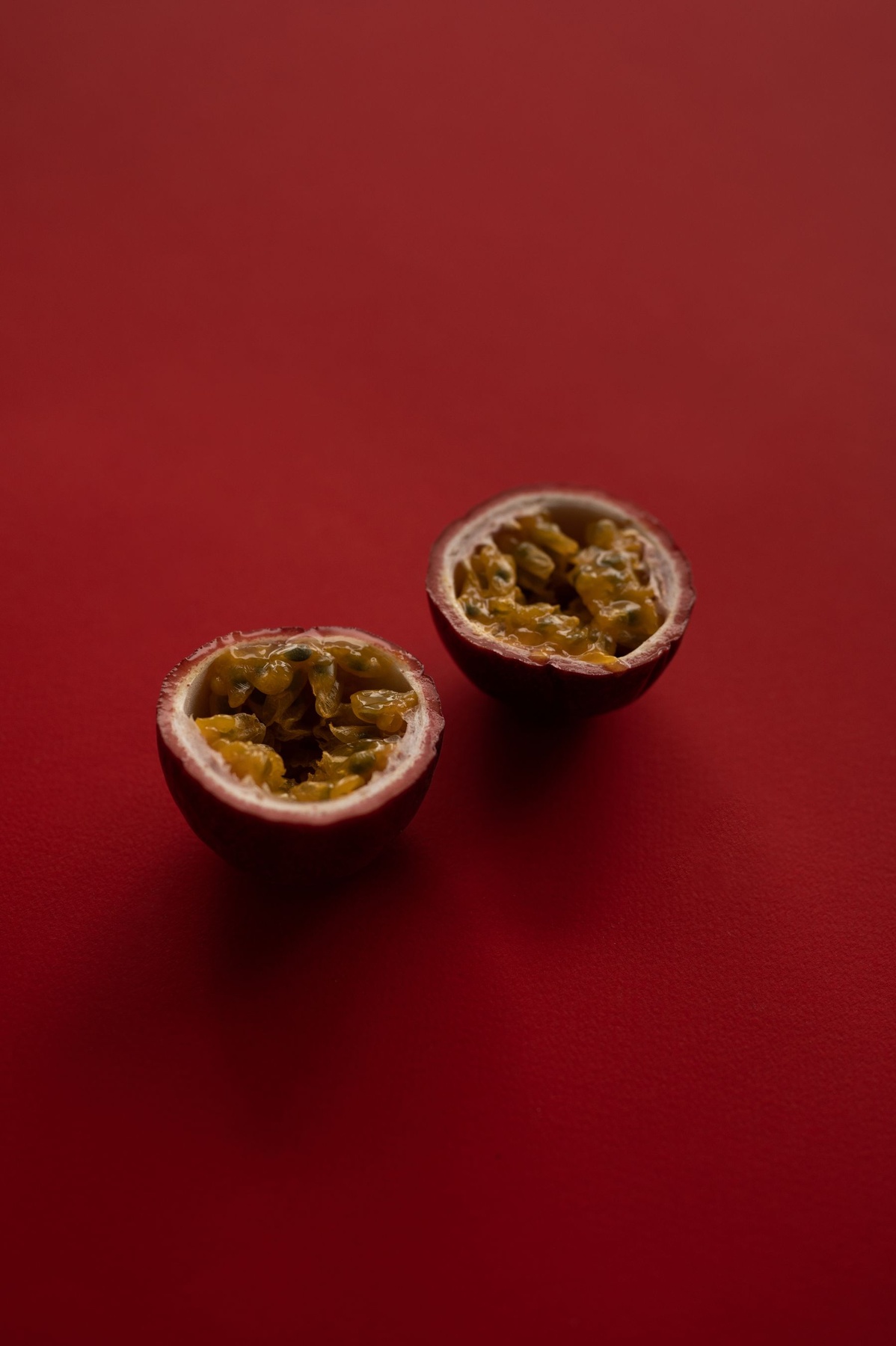
A passion fruit aroma comparison should help a buyer decide whether a sample suits a defined application. Descriptions such as “strong fragrance” are difficult to act on when people smell different portions at different stages. Use a simple recorded procedure that keeps preparation and presentation comparable. Preserve individual-fruit observations before blending the samples into a shared mixture.
Ask a specific sensory question
Decide whether the trial concerns freshly opened fruit, prepared pulp or a finished recipe. The same sample can be assessed at more than one stage, but record each stage separately. Do not combine raw-fruit and finished-drink comments into a single supplier score without explaining what was evaluated.
Choose a short vocabulary the panel understands, such as aroma intensity, recognisable fruit character and suitability for the intended product. Keep preference separate from description. A stronger aroma is not automatically the best fit for a delicate dessert or a mixed beverage.
Make sample presentation consistent
- Identify individual fruits and their connection to the proposed lot.
- Use comparable preparation, portions and clean containers.
- Record the time between opening and assessment.
- Present neutral codes rather than supplier names.
- Allow independent notes before group discussion.
Avoid perfumes, cleaning-product odours or nearby food preparation that could interfere with the session. Keep the setting and order of presentation recorded. If the procedure changes, say so before comparing the new observations with an earlier panel.
Count fruit units and observations separately
Four tasters assessing three separate fruits produce twelve observations, but only three fruit units have been examined. That example explains the counting distinction; it is not a validated panel design. More opinions about one fruit do not necessarily reveal more about variation within a commercial lot.
Keep each taster's notes connected to each fruit code. If one fruit differs markedly, investigate and repeat the comparison where appropriate. Do not remove an inconvenient observation from the record merely because the remaining scores appear more consistent.
Use the result without overinterpreting it
Sensory observations do not identify particular aroma compounds, prove origin or establish food safety. Do not taste suspicious fruit to decide whether it is safe. Handle any concerning smell or condition under the operation's appropriate review procedure, separate from a preference panel.
Once a candidate sample is selected, evaluate it in the actual application with a fixed recipe. Record whether the desired character remains suitable after the operation's normal preparation. The final buying note should state the sample, procedure, observations and required follow-up. It should not turn a small panel's preference into a universal description of all passion fruit from a named colour, country or supplier.
Share your intended application and aroma-evaluation brief through the HAFAMEX Passion Fruit page when requesting samples for a controlled comparison.
Related guide: Passion Fruit for Drinks: Compare Recipe Cost per Serving.
Other language versions: Tiếng Việt · 简体中文 · العربية.
Illustrative photograph: SHVETS production — Passion Fruit On Burgundy Background · Source · Pexels License. Resized and orientation normalized for website display.

