
Passion Fruit for Drinks: Compare Recipe Cost per Serving
Test passion fruit in the beverage you actually sell. Fix the recipe first, compare sensory performance and calculate cost per accepted serving rather than fruit price alone.
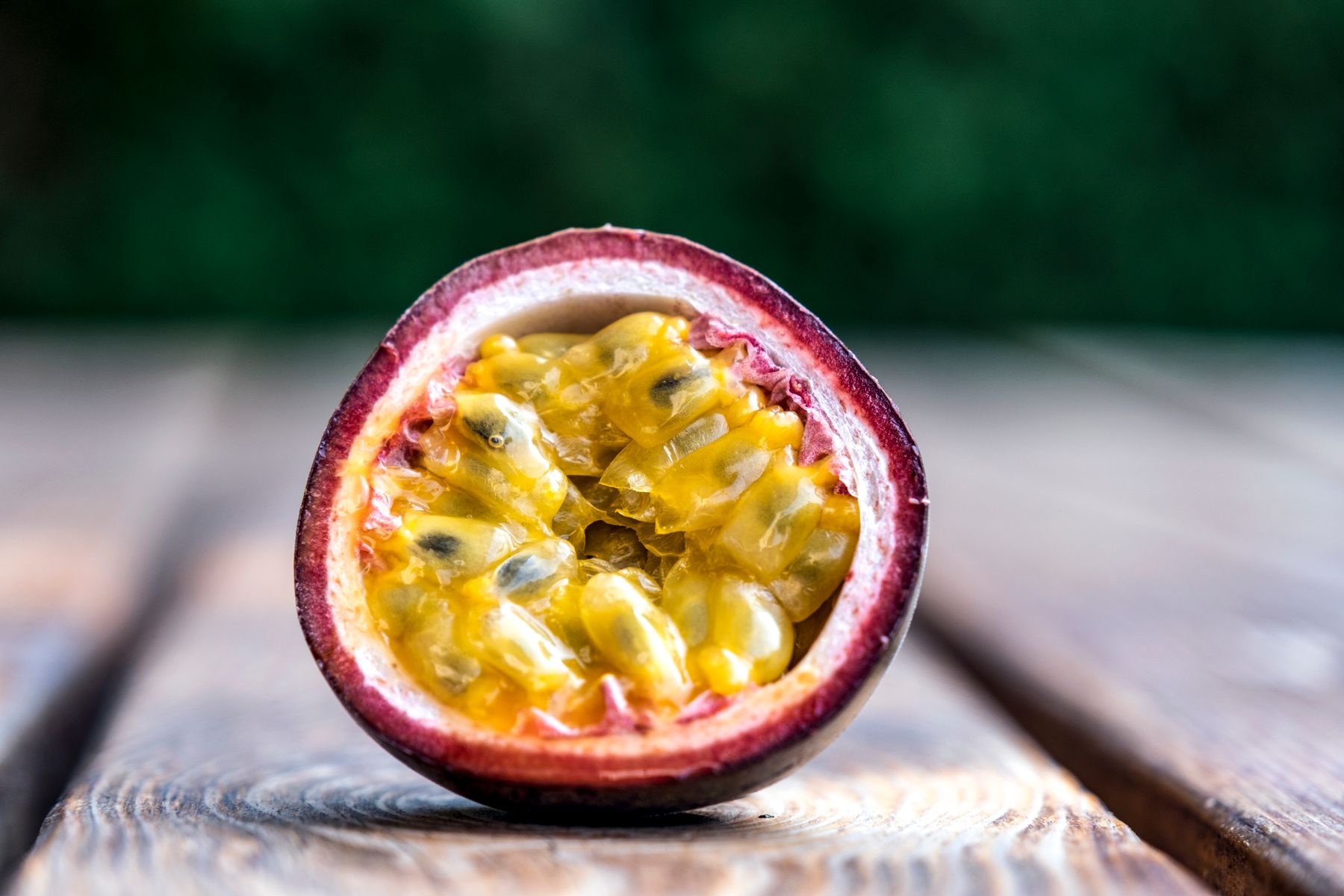
Buying passion fruit for drinks requires a different comparison from choosing attractive whole fruit for a retail display. The beverage team needs a repeatable serving with the intended flavour, texture and appearance. A fruit lot that looks economical by the kilogram may require extra preparation or a different recipe. Compare it in a controlled application trial before expanding an order.
Write the reference recipe before opening the sample
Record the fruit preparation method, seed policy, ingredient weights, water or tea base, sweetener and final serving size. Use the same equipment and mixing sequence for each trial. If the drink is sold over ice, define the initial ice quantity and the point at which it is tasted. Otherwise, different dilution can be mistaken for different fruit performance.
Keep whole-fruit, fresh-pulp and processed-ingredient quotes separate until their specifications are understood. This guide concerns evaluating fresh fruit for an application; it does not imply that HAFAMEX supplies every processed form. Record any trial adjustment explicitly rather than silently changing the recipe for a favoured sample.
Run two comparisons for different questions
First, use an unchanged recipe to see how each fruit sample behaves under identical conditions. Record aroma, perceived sweetness and acidity, seed distribution and the overall fit with the menu. Ask tasters for independent notes with neutral sample codes. This is a preference exercise, not a food-safety assessment.
Second, if appropriate, allow a documented recipe adjustment to reach the target serving. Measure the extra fruit, sweetener, preparation time or other changes needed. The first test measures comparability; the second estimates the practical cost of using that sample. Keeping them separate prevents a good adjusted drink from hiding an expensive adaptation.
Calculate fruit cost per accepted serving
In a hypothetical trial, fresh fruit costs 24 currency units and produces 1.8 kg of usable pulp under the kitchen's defined preparation. A recipe uses 30 g per drink, giving 60 planned servings. The fruit component is therefore 24 divided by 60, or 0.40 per planned serving. These are invented teaching figures, not a price or yield specification.
If only 54 servings are accepted after preparation errors and quality rejection, the fruit cost allocated to those servings becomes about 0.44. Keep the rejected quantity and reason visible. Then add the measured costs of other ingredients, labour, packaging and relevant handling. Do not present the fruit-only figure as the complete beverage cost.
Check performance during real service
Repeat the selected method at the intended batch size and within the operation's approved food-safety controls. Record whether staff can portion consistently, whether seeds settle differently across servings and whether the flavour still fits the menu at the chosen service point. One carefully prepared tasting glass may not represent a busy outlet.
For a hotel in the UAE or a beverage outlet in Singapore or Malaysia, use that customer's recipe and service conditions. Do not assume that a country has one preferred sweetness level. Attach the successful recipe version to the sample record and ask for another application check when the fruit lot or preparation method changes.
Send the beverage application, preferred preparation and trial quantity through the HAFAMEX Passion Fruit page to discuss a suitable fresh-fruit sample enquiry.
Continue with the passion fruit pulp-yield and Brix trial.
Other language versions: Tiếng Việt · 简体中文 · العربية.
Illustrative photograph: Michael Kucharski — Photo Of A Halved Passion Fruit · Source · Pexels License. Resized and orientation normalized for website display.

