
Passion Fruit Halves for Buffets: Plan a Service Trial
Evaluate passion fruit as a halved serving rather than only as a whole fruit. Test cutting, presentation, tray fit and staff handling under the kitchen’s approved controls.
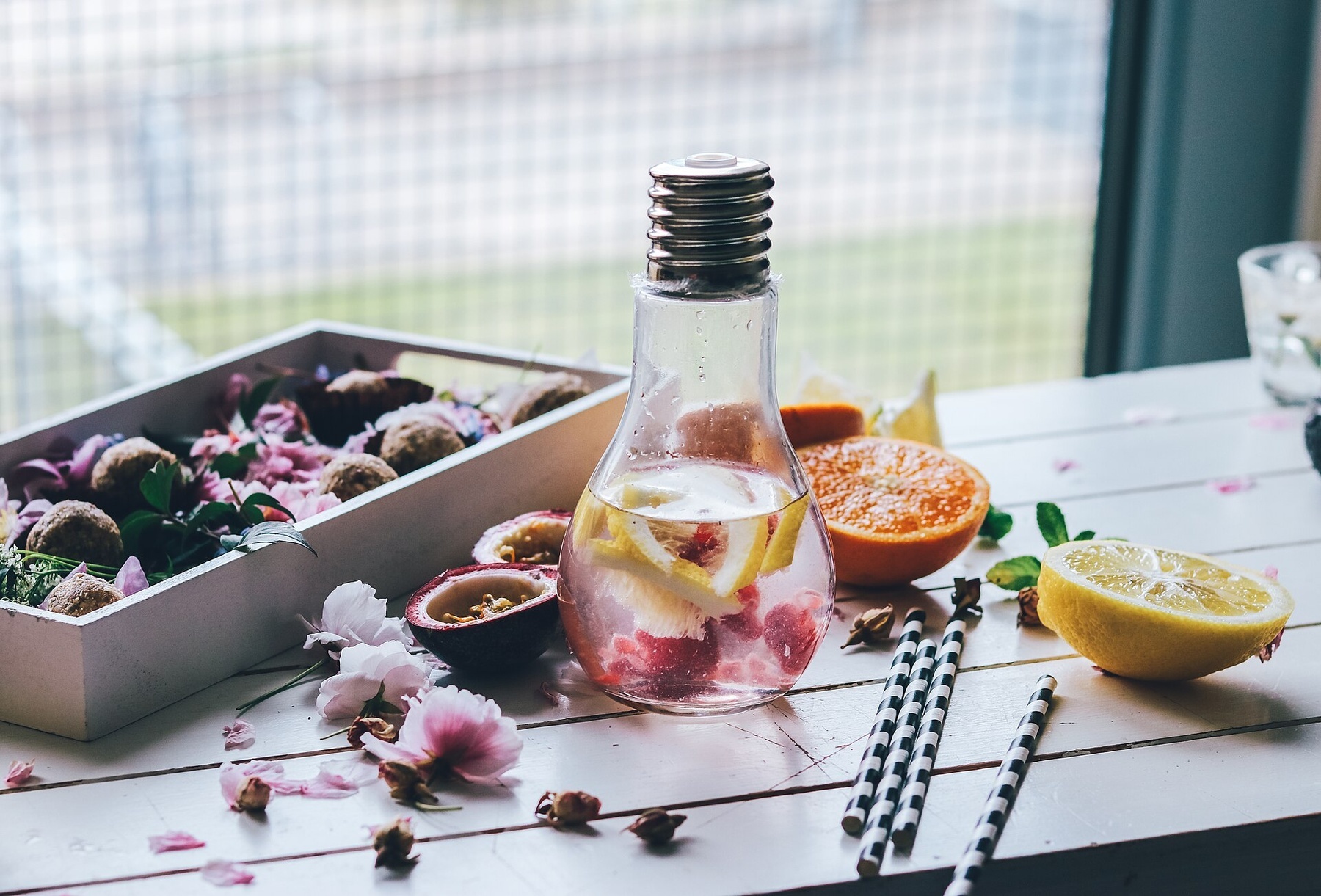
Passion fruit halves for buffets need to work as a serving format. The buyer is interested in how the cut fruit sits, how guests access the pulp and whether staff can prepare consistent portions. A whole-fruit photograph cannot answer all of those questions. Run a small service trial using the intended utensils and display arrangement before defining the purchasing brief.
Define the presentation before cutting
Specify whether the fruit is served as an individual half, part of a fruit plate or a component in another dish. Record the acceptable size range and appearance of a finished portion without claiming a universal buffet grade. Decide how a half that does not sit steadily will be handled within the approved presentation plan.
Use the operation's food-safety procedures for preparation, tools and service. FDA guidance on produce preparation emphasises preventing transfer of contamination during cutting. The trial does not create a safe display duration or replace the establishment's validated controls.
Observe the cutting process as well as the result
- Identify the sampled fruit and the operator performing the cut.
- Use the agreed cutting direction and appropriate utensils.
- Record uneven halves, damaged edges and pulp lost during preparation.
- Keep presentation concerns separate from fruit requiring a safety or quality review.
- Photograph finished portions in the actual tray or dish.
A cut that looks successful on one fruit may be awkward on another size. Retain the size or weight observations needed to explain that variation. Do not select only the easiest fruit and describe the resulting preparation speed as representative of the whole lot.
Count accepted halves, not only whole fruit
Forty planned fruits can produce eighty potential halves. If six halves do not meet the presentation brief, seventy-four meet that particular presentation test. These are illustrative numbers, not a yield promise. Presentation acceptance also does not automatically establish food safety or completion of other required checks.
Record the reason for each exclusion and any additional preparation needed. Keep the whole-fruit count and the serving count in separate fields. If a fruit is removed before cutting, the potential number of halves changes; do not leave it inside the calculation unnoticed.
Rehearse the actual service arrangement
Check how many portions fit without crowding, whether staff can replenish them cleanly and whether the guest-facing arrangement remains practical. Follow the approved handling plan when conducting the rehearsal. A larger tray capacity is not automatically better if it creates difficult access or excessive preparation ahead of demand.
Record the preparation method, staff time and usable presentation results together. Ask the kitchen team what would trigger a new trial, such as a different fruit size mix or a changed serving dish. The result should support a clear fresh-fruit enquiry, not an assumed commitment to supply ready-cut portions.
Describe your intended halved-fruit presentation and sample needs through the HAFAMEX Passion Fruit page when planning a foodservice trial.
Related guide: Passion Fruit Size, Count and Net Carton Weight.
References: FDA: Selecting and Serving Produce Safely.
Other language versions: Tiếng Việt · 简体中文 · العربية.
Illustrative photograph: Toa Heftiba heftiba — Bracknell, United Kingdom (Unsplash).jpg · Source · CC0. Resized and orientation normalized for website display.


