
Passion Fruit Packaging: Compare Ventilation and Liners
Plan a controlled passion fruit packaging trial. Compare carton ventilation and liners without changing several variables at once, and assess the fruit through its intended use period.
A passion fruit packaging trial should answer whether a particular carton and liner combination works with the actual fruit and journey. A pack that photographs well or performs well on another product is not automatically suitable. Define the route conditions and customer acceptance criteria before comparing designs, then keep enough detail for a packer to repeat the successful arrangement.
Turn the packaging idea into a testable question
Choose the main change: a liner, its perforation pattern, a carton vent arrangement or another specific feature. Keep the other conditions as comparable as practical. If the trial simultaneously changes fruit maturity, fill weight, carton material and route, the result will not reveal which change mattered.
UC Davis notes that perforated films may reduce passion fruit water loss during handling. That supports investigating a defined pack; it is not a recommendation to seal any fruit in any plastic bag. Ask the packaging specialist to assess the proposed material and food-contact suitability, and test it under the intended operating conditions.
Describe both the control and proposed pack
- Carton dimensions, construction and visible ventilation arrangement.
- Liner material, thickness information where available, openings and closure method.
- Fruit count or fill basis, arrangement and any cushioning.
- Stacking pattern and whether neighbouring packs obstruct openings.
- Trial lot, initial fruit condition and the time each pack was prepared.
Assign pack codes and distribute comparable fruit among repeated packs of each design. A single carton can reveal an obvious problem, but it provides limited evidence about consistency. Record the number of packs tested and avoid describing a small exploratory test as a validated commercial specification.
Observe the complete handling sequence
Use the planned cooling, storage and transport sequence as the basis for the trial. Document deviations rather than quietly ignoring them. At agreed checks, record fruit and pack condition, visible moisture, carton strength, pressure marks and odour concerns. Assess internal fruit condition using the buyer's agreed procedure; a dry carton exterior alone does not prove a successful pack.
If fruit weight change is measured, identify the same sample at each check and distinguish fruit from packaging weight. Use a consistent weighing method. Compare results with the control at the same elapsed time instead of contrasting a newly packed carton with one that has already spent several days in storage.
Judge usable outcomes and operating effort together
Suppose a trial design preserves appearance but takes considerably longer to pack or makes lot labels difficult to read. Record those operational effects alongside fruit condition. Equally, a faster packing method should not be chosen solely for labour savings if it increases damage in the actual stack. Use the criteria agreed before the test rather than choosing whichever measurement favours a preferred design.
Approve a specific configuration, with photographs and material references, only after the trial supports its intended use. State which changes require another check, including altered liner, fill quantity or route. This creates a reproducible buying specification without claiming a universal pack, shelf life or HAFAMEX packing capacity.
Discuss your proposed pack trial through the HAFAMEX Passion Fruit page, naming the route, fill basis and customer acceptance criteria that need to be evaluated.
Continue with the passion fruit size, count and carton-weight guide.
References: UC Davis Postharvest Research and Extension Center: Passion Fruit.
Other language versions: Tiếng Việt · 简体中文 · العربية.
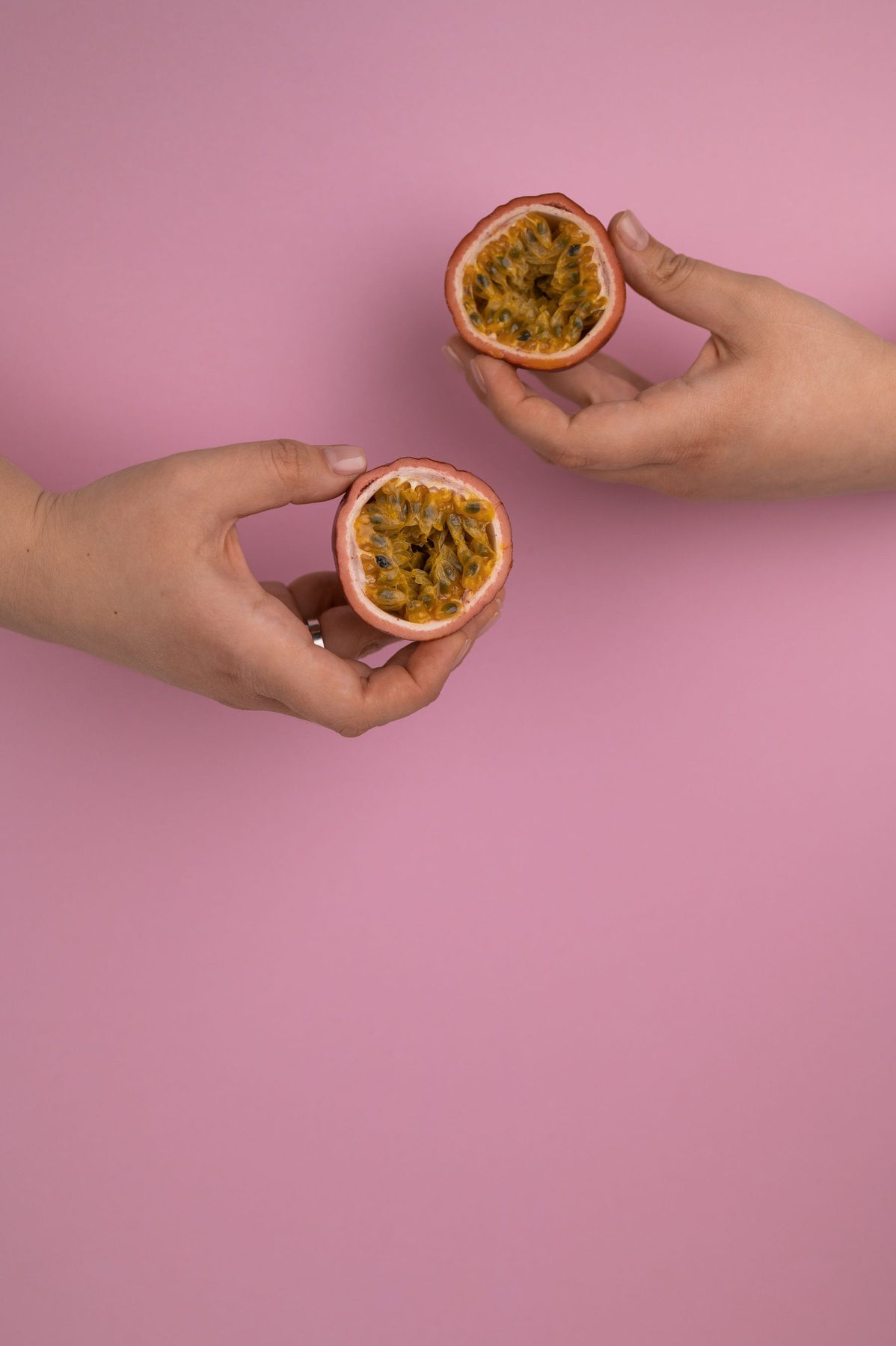
Illustrative photograph: SHVETS production — Crop Person Showing Fresh Passion Fruit Halves · Source · Pexels License. Resized and orientation normalized for website display.

