
Passion Fruit Orders: Match Deliveries to Processing Capacity
Plan passion fruit deliveries from observed processing time, setup and usable storage constraints. Separate theoretical machine speed from accepted daily output.
Passion fruit processing capacity should guide delivery quantities alongside demand and the condition of the fruit. A processor can buy more than the team can prepare, even when a machine appears fast enough on paper. Start with the complete operating day, including setup, checks and cleaning. Then connect the resulting capacity to the delivery cadence and the customer's actual product requirements.
Map the limiting work stages
List receiving, sorting, opening fruit, separating pulp, further preparation and transfer to the next controlled process. Identify the staff and equipment shared with other products. The slowest relevant stage may limit the overall output even if the main machine runs quickly.
Use accepted output as the basis of the planning rate. Keep any rejected material, rework or unfinished work visible. A line's gross input per hour does not automatically describe how much usable ingredient it supplies to the next stage.
Calculate the available operating time
For illustration, a team has 240 minutes allocated to this task, with sixty minutes needed for setup and cleaning. That leaves 180 productive minutes, or three hours. If an observed trial supports eight kilograms per hour on the defined basis, the planned capacity is twenty-four kilograms for that allocation.
These are invented planning figures, not HAFAMEX capacity or a recommendation for any particular machine. If the eight-kilogram figure measures input rather than accepted output, preserve that distinction and make the necessary separate yield assessment.
Build the delivery rhythm around real constraints
- Confirmed customer demand and production dates.
- Available staff, equipment and processing time.
- Usable stock already present and its assessed condition.
- Delivery quantities and appointment options actually available.
- Approved storage arrangements and the validated usable window.
Do not assume that additional stock can wait indefinitely for a free shift. Compare the delivery plan with the operation's actual fruit-handling and food-safety controls. If the plan requires a longer wait than the evidence supports, change the delivery or production arrangement rather than treating the purchase as automatically usable inventory.
Test the plan against interruption
Consider what happens if a staff member is unavailable, a machine needs cleaning earlier or a delivery arrives after its appointment. State the revised capacity and the decision owner. A practical plan identifies when to reduce intake, move production or seek another agreed arrangement.
Review actual results after the first cycles: delivered quantity, processed quantity, accepted output and unfinished stock. Update the planning rate using comparable observations, not the fastest isolated run. For recurring orders, share the required cadence with the supplier while keeping all offered quantities and dates subject to actual confirmation.
Use the HAFAMEX Passion Fruit page to discuss your required delivery rhythm and trial quantities after checking them against your own processing capacity.
Related guide: Passion Fruit by Air or Sea: Test the Complete Delivery Plan.
Other language versions: Tiếng Việt · 简体中文 · العربية.
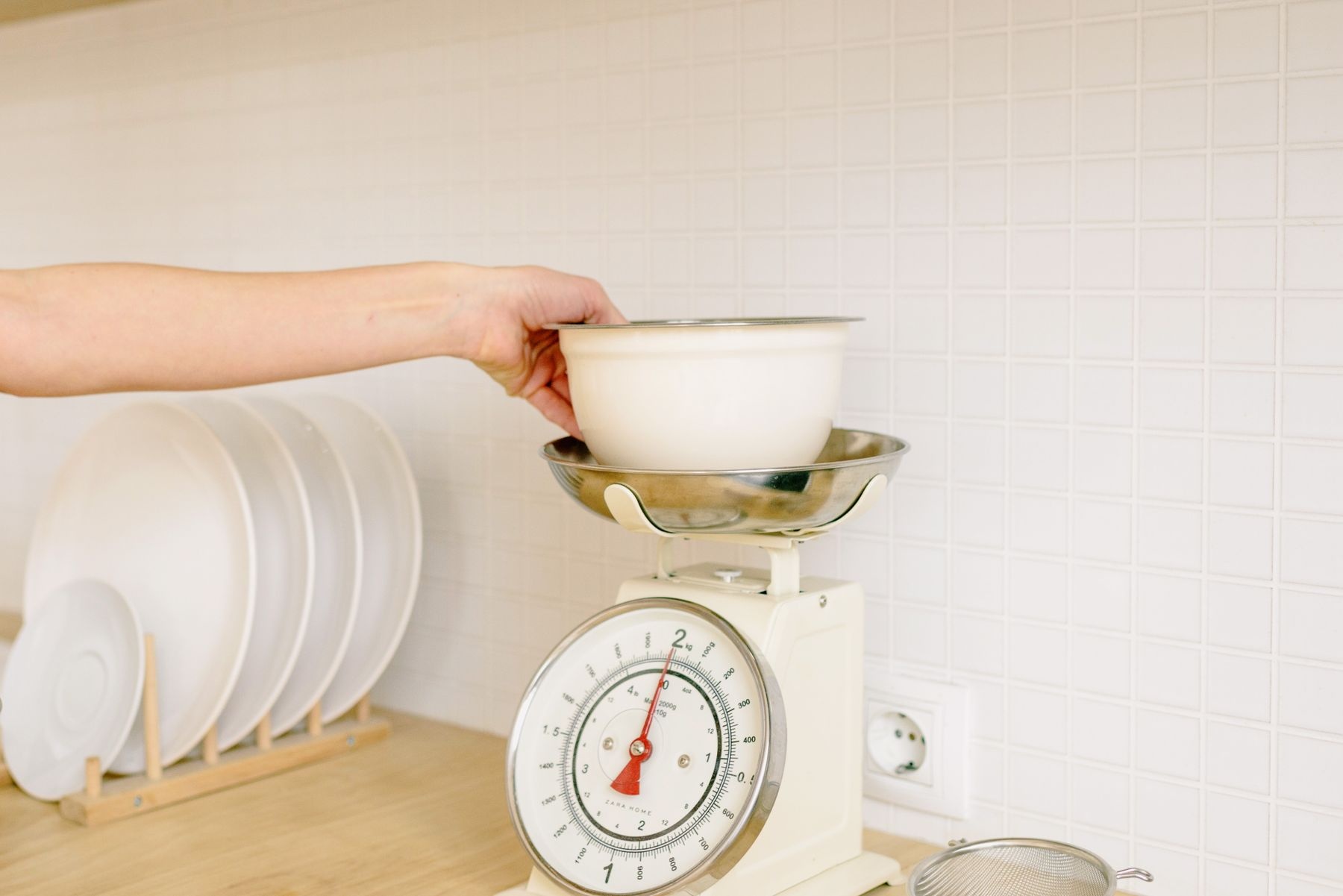
Reference photograph illustrating the operation or application discussed. It does not depict verified HAFAMEX premises, staff or production procedures.
Illustrative photograph: Ksenia Chernaya — a person weighing the ingredients on the bowl · Source · Pexels License. Resized and orientation normalized for website display.

