
Pink Pomelo Carton Labels: Connect Each Pack to Its Lot
Review a pink pomelo carton label before printing. Reconcile product identity, lot codes and shipment records, including what happens when fruit is repacked.
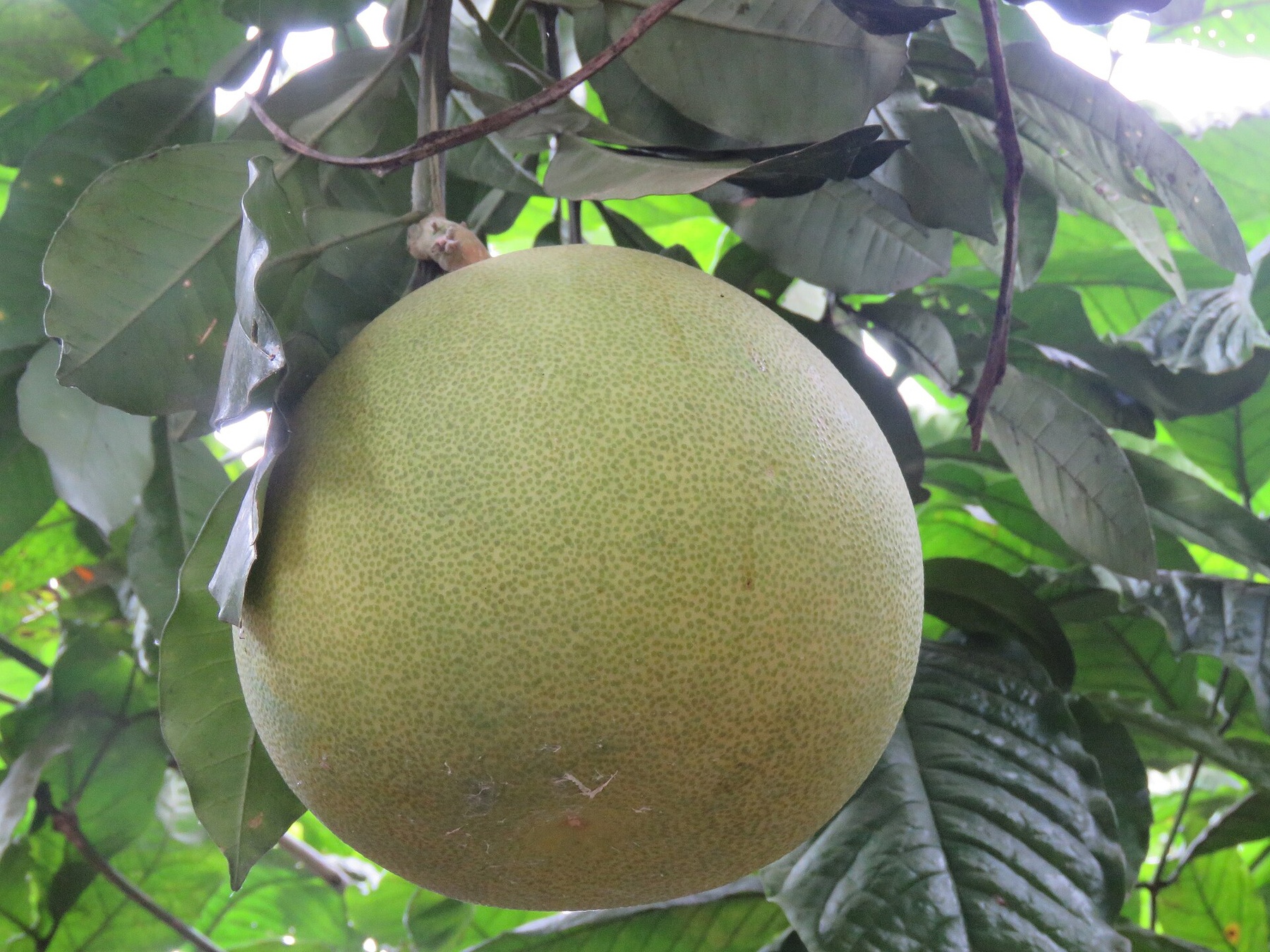
Pink pomelo carton labels should let a receiver connect the physical fruit to the correct order and supporting records. Attractive artwork cannot do that by itself. Before printing, review a complete label proof with the seller, importer and warehouse team. Use their actual information and destination requirements rather than copying a carton photographed online.
Separate the product name from the batch identity
The product description tells staff what is inside. A lot identifier distinguishes the particular group of fruit. GS1's fresh-produce traceability guidance explains the role of identifiers and linked records across a supply chain. A useful practical test is whether warehouse staff can take a code from one carton and retrieve the corresponding receipt and dispatch records.
Confirm the fruit's commercial name and any cultivar or origin declaration with evidence. Do not add a familiar growing region because it appears in marketing material. Likewise, an office address is not necessarily a packing location or production site. Ask the responsible party to approve each statement in its correct role.
Reconcile a proof against three records
- Compare the description and agreed packing basis with the purchase order.
- Compare the batch code and quantity with the packing list.
- Check the supporting origin or other shipment documents where those declarations are required.
Make a small issue log showing the field, conflicting values, owner and approved correction. Retain the final label version so a later printer does not accidentally reuse an earlier file. Confirm required language, date format and other destination-specific fields with the importer before release; this workflow is not a universal legal label template.
Test the label where staff will use it
Print one proof at the intended size. Place it on the actual carton material and check readability under warehouse lighting. If a barcode is used, test it with the receiver's equipment and confirm that the decoded value matches the human-readable record. A code that scans successfully can still point to the wrong product or batch.
Record a packing or export date as that event, rather than silently relabelling it as a harvest date. If the shipment spans several lots or dates, agree whether they need separate cartons, pallet records or both. Avoid giving every shipment the same generic batch code merely to simplify printing.
Keep the connection after repacking
For illustration, a distributor receives cartons under lots P01 and P02 and prepares smaller customer packs. Its internal record should show which source lot supplied each new pack group and where that group went. These example codes are invented for explanation; they are not HAFAMEX production records. Where lots are combined, retain that relationship instead of assigning an unexplained new code.
Finish with a desk exercise: choose one delivered pack, retrieve its source-lot records, then identify the other customers who received that lot. Log any missing link and correct it before scaling up. This makes the label a working purchasing control instead of a decorative detail.
Use the HAFAMEX Pink Pomelo page to discuss your label brief, destination and traceability questions before requesting a final packing proposal.
Continue with the pomelo product-identification guide.
References: GS1 Fresh Fruit and Vegetable Traceability Guideline.
Other language versions: Tiếng Việt · 简体中文 · العربية.
Illustrative photograph: Vinayaraj — Citrus grandis - Pomelo at Wayanad (1).jpg · Source · CC BY-SA 4.0. Resized and orientation normalized for website display.


