
Pink Pomelo Peel Blemishes: Define an Appearance Grade
Describe pomelo peel marks with shared photographs and measurable categories. Keep cosmetic appearance separate from damage or unresolved quality concerns.
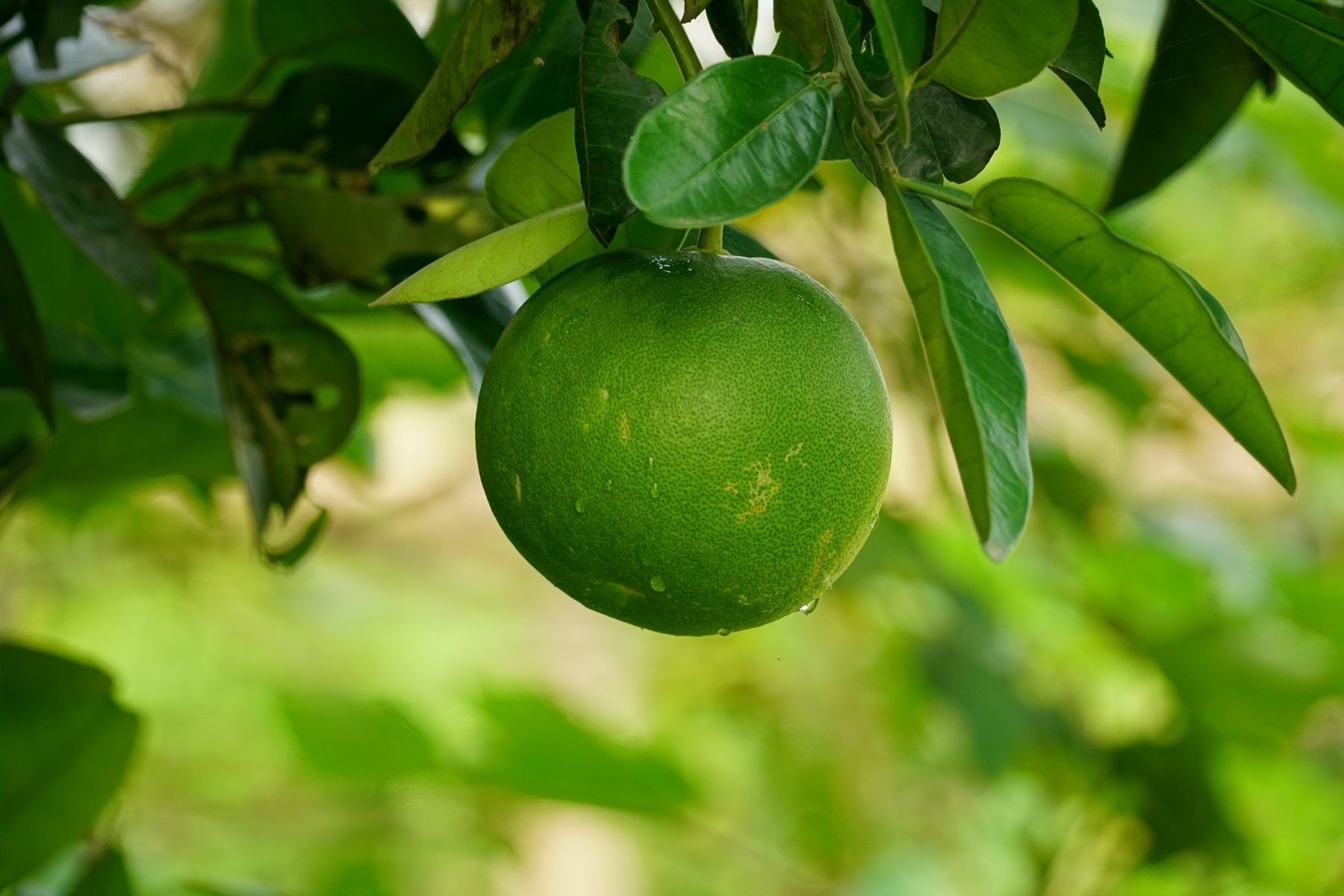
Pink pomelo peel blemishes can create disputes when one buyer means a superficial appearance issue and another means damaged fruit. Terms such as “clean skin” or “export quality” do not resolve that difference. A useful appearance grade describes the marks being discussed, their extent and how the fruit will be sold, while keeping unresolved damage and safety concerns outside cosmetic negotiation.
Start with the customer's presentation requirement
A whole-fruit gift display may assess appearance differently from a kitchen that will remove the peel. Ask the customer which visible features matter and why. Do not assume that acceptance for processing makes every marked fruit suitable for use. Internal quality and food-safety checks remain separate decisions.
The Codex pummelo standard provides a commercial-quality reference. If a buyer uses its terminology, identify the actual reference and intended application. Do not invent a private “Grade A” definition and present it as a universal official grade.
Build a small reference set
Photograph the whole fruit first, then a close view of the mark with a useful scale reference. Record its location, approximate extent and observable characteristics. Use the same lighting and viewing distance across examples. A close-up without context can make a small mark appear to cover most of the fruit.
- Define a category for fruit meeting the agreed appearance brief.
- Define any cosmetic-mark categories the buyer is willing to consider.
- Keep cuts, leakage, suspicious softness or other unresolved concerns in a separate review stream.
- Attach an example photo and a short written description to each agreed category.
Avoid diagnosing a mark from its colour alone
Describe what can actually be observed instead of assigning a disease, handling cause or age from a photograph. If the distinction affects acceptance, request the necessary inspection or technical assessment. Record uncertainty as a question to resolve, rather than forcing every fruit into an approved cosmetic class.
For a cut-sample check, keep the outside photograph connected to that fruit's internal findings. Several sound cut samples do not prove that every similarly marked fruit is sound. Equally, one adverse sample does not identify the cause of all external marks.
Use explicit counts in the inspection note
In a hypothetical set of twenty fruits, fourteen have no agreed cosmetic mark, four have a defined mark and two are held for separate quality review. Keep those three groups visible. Do not call eighteen fruit fully acceptable unless the buyer has agreed to accept the marked category and the other required checks are satisfied.
The example is a reporting method, not an acceptance tolerance. Agree the sampling and decision rules separately. Review the photo set with both parties before a commercial shipment so the receiver and packer apply the same descriptions, rather than negotiating a new meaning after arrival.
Share your whole-fruit presentation requirements and proposed reference photos through the HAFAMEX Pink Pomelo page to discuss a lot-specific appearance brief.
Related guide: Pink Pomelo Packing and Arrival Inspection Checklist.
References: Codex Standard for Pummelos (CXS 214-1999).
Other language versions: Tiếng Việt · 简体中文 · العربية.
Illustrative photograph: Duy Le Duc — Close Up Of A Fruit · Source · Pexels License. Resized and orientation normalized for website display.

