
Pink Pomelo for Salads: Test Portions and Dressing Together
Evaluate pink pomelo inside the salad you intend to serve. Control portion size, preparation and dressing contact, then judge appearance and eating quality together.
Buying pink pomelo for salads is an application decision. A sample that tastes pleasant on its own may perform differently when mixed, portioned and presented with the other ingredients. Test the fruit within the intended dish before making a large purchase. Keep the trial focused on a defined recipe and service method so the result explains something useful about the sample.
Write the dish specification first
Record the accepted segment size, membrane and seed policy, target pomelo portion and the other components in the dish. Identify whether the fruit is folded through the salad or placed on top. The amount of handling differs, so the preparation method should match the way staff will actually assemble each serving.
Keep ingredients and food-safety controls appropriate to the operation. This trial evaluates menu performance; it does not validate a preservation process or establish how long a prepared salad can safely remain on display.
Compare dressing methods without changing everything
Prepare a reference version using the existing recipe. If the question concerns dressing contact, compare one defined alternative while keeping the fruit sample, other ingredients, portion and service point consistent. Record the dressing quantity and whether it is mixed in or added at service. Do not change fruit supplier, dressing and portion simultaneously, then credit the entire result to the pomelo.
- Use coded samples with the lot and preparation method recorded.
- Photograph complete portions from the same angle.
- Note intact and broken segments under the agreed presentation criteria.
- Record visible liquid separately from the original dressing quantity.
- Collect sensory comments before staff discuss a preferred version.
Separate portion planning from purchasing weight
Twelve trial portions containing sixty grams of prepared pomelo each require 720 grams of accepted segments. That figure is not the amount of whole fruit to purchase. Determine whole-fruit requirements from a separate preparation trial using the same accepted-segment definition. Keep any reserve portion visible rather than hiding it inside an assumed yield.
All quantities in this example are illustrative. An operation may use another serving size or count whole segments instead. If portions are counted, check the resulting weight variation before comparing cost and presentation with a weight-based specification.
Judge the dish at the actual service point
Evaluate appearance, ease of eating, texture and flavour balance at the point the customer would receive the dish, within the kitchen's approved controls. Ask whether staff can reproduce the same result during normal service. A carefully arranged sample plate is not enough if the required assembly becomes impractical at the planned volume.
Record what would trigger a new trial: a different size mix, changed texture, another preparation standard or a revised dressing. Restaurants in different markets should use their own menu brief. The resulting application record links buying decisions to a repeatable dish without assuming one national flavour preference.
Describe your salad application and required prepared portion through the HAFAMEX Pink Pomelo page when requesting fruit for a menu trial.
Related guide: Pink Pomelo Tasting: Compare Bitterness, Aroma and Texture.
Other language versions: Tiếng Việt · 简体中文 · العربية.
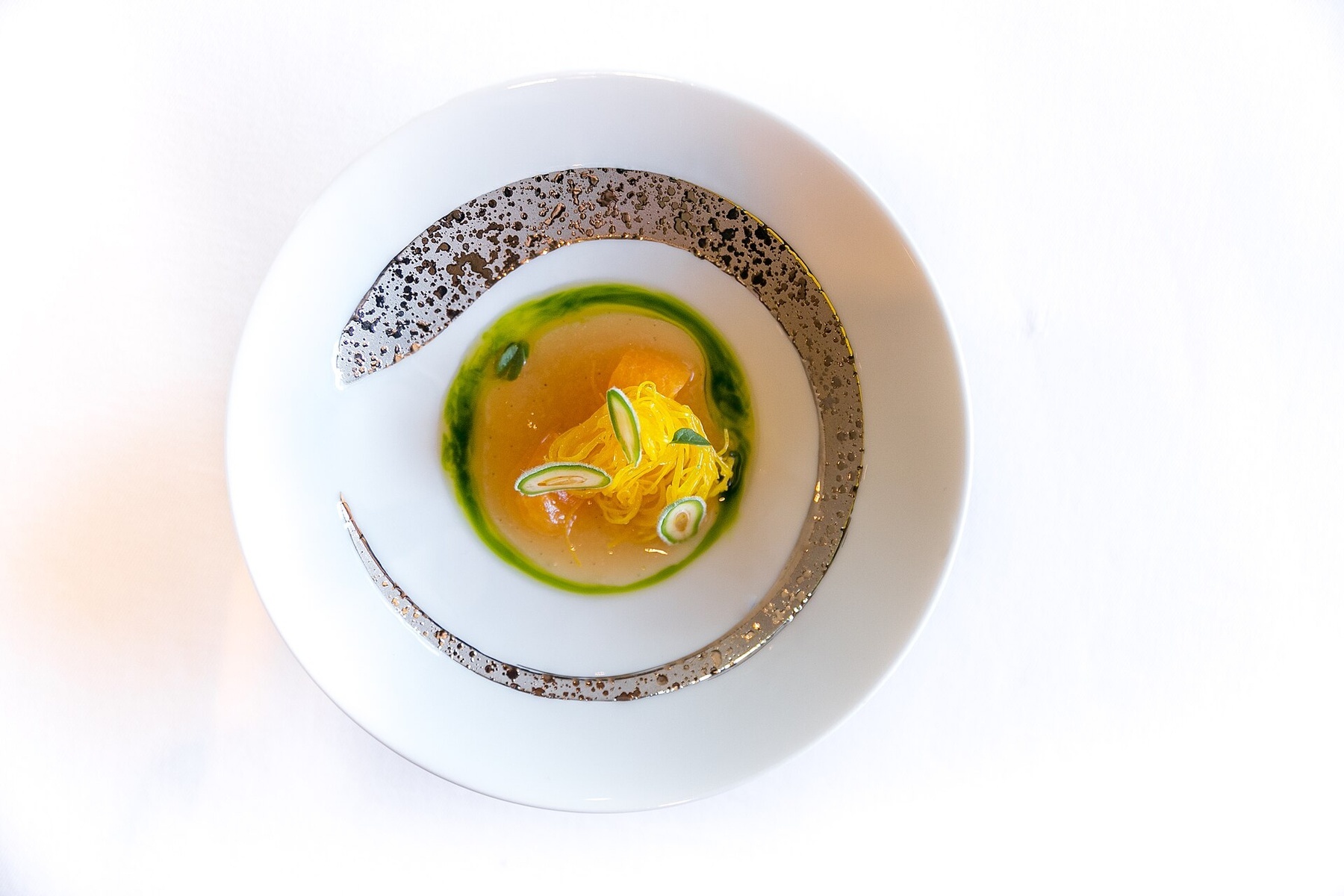
Illustrative photograph: City Foodsters — Pomelo, pomelo zest with green onions and lime (19319877372).jpg · Source · CC BY 2.0. Resized and orientation normalized for website display.


