
Pink Pomelo Tasting: Compare Bitterness, Aroma and Texture
Build a repeatable tasting panel for pink pomelo. Compare fruit separately, control preparation, and turn sensory notes into a practical purchasing brief.
A useful pink pomelo tasting answers a purchasing question: will this sample suit the way customers will eat the fruit? A buyer selling whole fruit may value a different texture from a kitchen serving peeled segments. Start with that intended use, then evaluate several separately identified fruits. One attractive segment cannot describe the consistency of a proposed shipment.
Define the serving format before the panel
Write down whether the assessment concerns fully peeled segments, segments with membranes, or another agreed preparation. Use the same method for every sample. Differences introduced by the person peeling the fruit can otherwise become differences attributed to the supplier. Record the preparation time and the interval between cutting and tasting, particularly when samples arrive on different days.
Use clean utensils and the kitchen's normal food-safety procedures. Exclude fruit that is unsuitable for tasting because of spoilage or an unresolved safety concern. A tasting session evaluates preference and consistency; it does not establish microbiological safety or pesticide compliance.
Separate intensity from liking
Create two short sets of questions. The first describes what the panel perceives: sweetness, sourness, bitterness, aroma, firmness and juiciness. The second asks whether the result suits the intended customer. A strong flavour can be welcome in one menu and unsuitable in another. Mixing these questions into a single “good” score hides the purchasing decision.
- Assign a neutral code to each fruit and keep the supplier identity on a separate sheet.
- Define the ends of a simple intensity scale before tasting.
- Offer comparable portions in a varied order and allow a pause between samples.
- Ask tasters to write individual notes before discussing a group decision.
Keep the variation visible
Suppose a buyer uses a five-point bitterness scale, with 1 meaning barely perceived and 5 very strong. Fruit A, B and C receive 1, 1 and 4. The average is 2, yet reporting only that average conceals a noticeably different fruit. Keep the individual results and investigate whether the same pattern appears in a second sample. These figures illustrate record keeping; they are not a pomelo grade or HAFAMEX specification.
Do not treat the number of tasters as the number of fruit tested. Six people tasting one fruit still provide evidence about that single fruit. Record both counts, the lot identifier and the sampling method. If samples were selected by the seller, say so rather than describing them as a random commercial-lot sample.
Translate the result into an approval note
An effective approval note names the serving format, acceptable sensory profile, observed variation and any unresolved question. Attach the sample codes and date. If a retail buyer in India or a foodservice buyer in the UAE requests a different flavour balance, run that customer brief separately instead of assuming a national preference.
Keep sensory approval distinct from commercial approval. A favourable tasting does not confirm the next lot's identity, harvest date, pack weight or availability. Ask how a later lot will be checked against the approved sample, and decide in advance when changed fruit characteristics require another trial.
Share your tasting brief and destination through the HAFAMEX Pink Pomelo page so the sample request can be discussed against an actual proposed lot.
Continue with the pink pomelo edible-yield guide.
Other language versions: Tiếng Việt · 简体中文 · العربية.
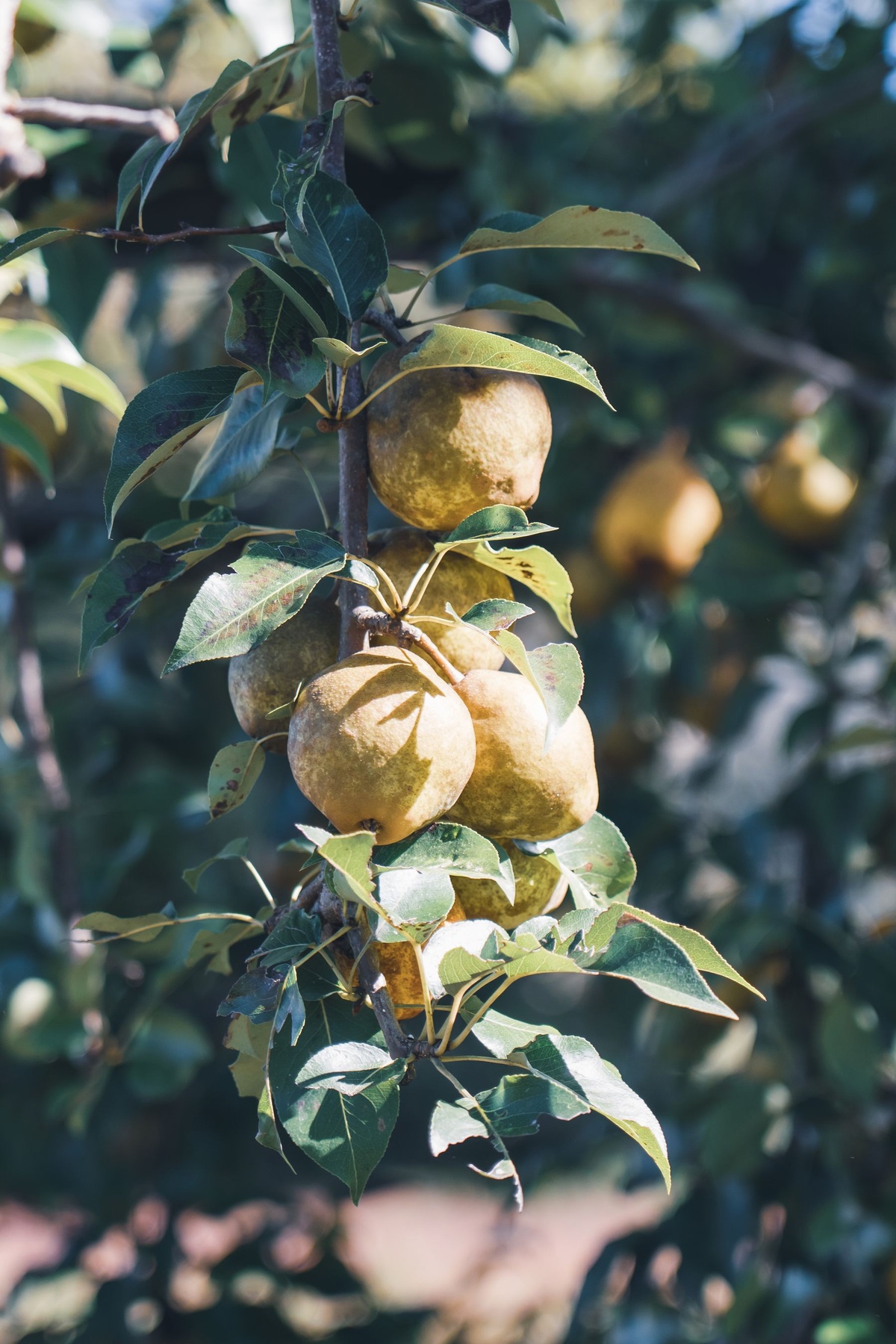
Illustrative photograph: Filip Szyller — Unripe Fruits On A Tree · Source · Pexels License. Resized and orientation normalized for website display.

