
Pink Pomelo Yield: Rind Thickness and Dry Segments
A practical cut-sample trial for pink pomelo buyers. Measure usable flesh, document rind and membrane losses, and keep dry-segment observations separate from a diagnosis.
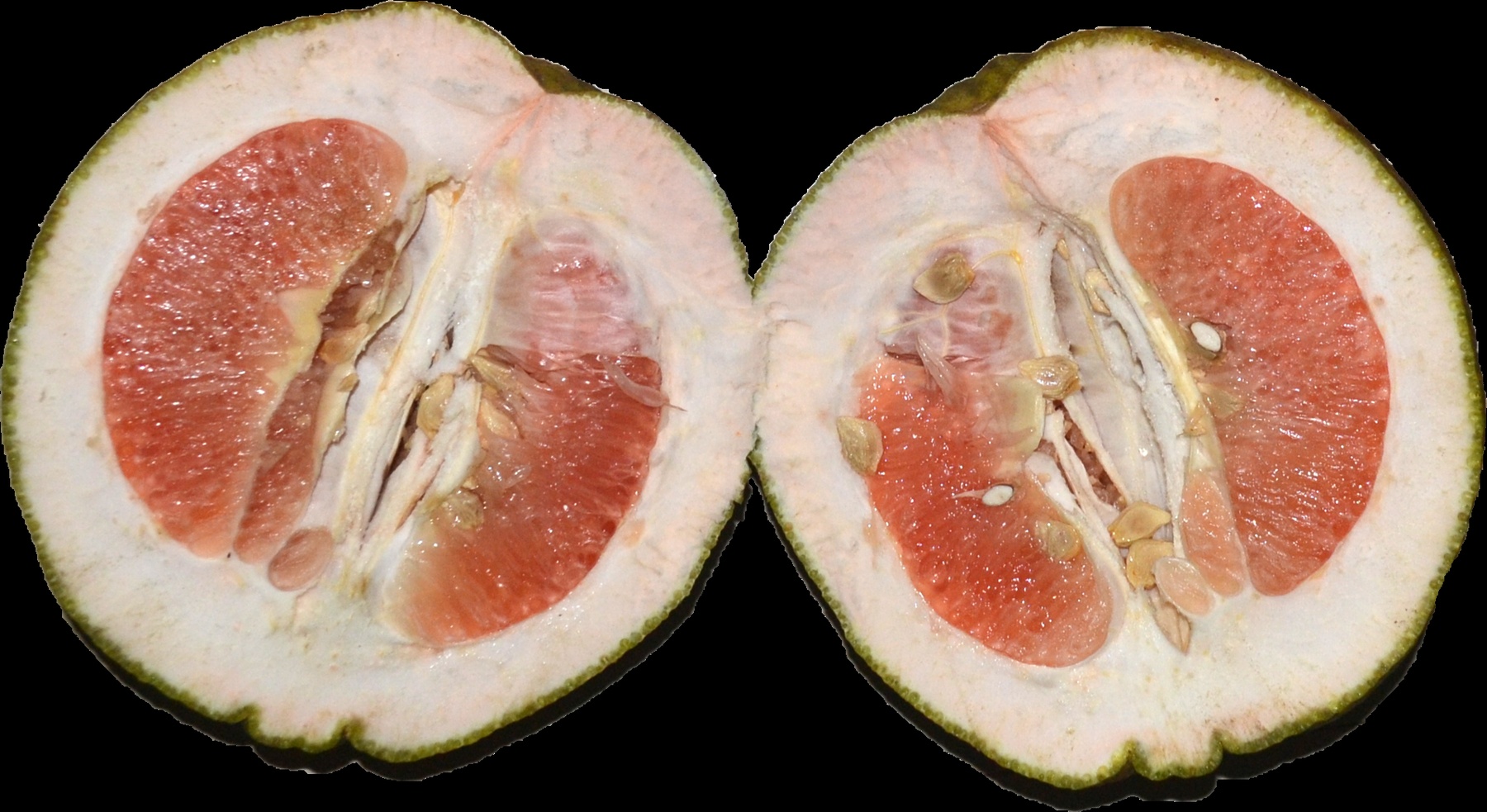
Pink pomelo edible yield matters when the buyer sells peeled segments, prepares fruit portions or compares value across lots. A heavy whole fruit is not automatically a high-yield fruit. Measure the usable portion under the same preparation method before turning a quotation into a cost estimate.
Define what counts as usable flesh
Agree whether the final product includes segment membranes, seeds or broken pieces. A preparation line selling neat segments may reject material that another customer can use. Write that rule before the trial, and keep it unchanged when comparing suppliers.
- Weigh the selected whole fruit and record the sample IDs.
- Separate rind, outer pith, membranes, seeds and the intended edible portion.
- Weigh unusable flesh separately, recording the observed reason for exclusion.
- Record preparation time if labour affects the buying decision.
If rind thickness is part of the specification, define where on the cut fruit to measure and how to take the reading. Record several agreed positions rather than one unusually thick spot. Keep those measurements beside weighed rind losses; thickness alone does not establish usable yield.
Use a transparent calculation
Suppose an illustrative sample weighs 6 kg whole. Peeling and preparation produce 3.18 kg of flesh under the agreed definition, giving a prepared yield of 53%. If 0.30 kg of that flesh is excluded under the buyer’s quality criteria, the usable amount is 2.88 kg and the usable yield is 48%.
At a hypothetical sample purchase cost of 12 currency units, fruit cost is 12 divided by 2.88, or about 4.17 units per usable kilogram. This excludes freight, labour and other costs. The figures demonstrate the method; they are not typical yields, market prices or a HAFAMEX specification.
Describe dry segments precisely
Document which fruit and segments show the concern, their location within the fruit and the proportion excluded. Photograph the cut fruit with its sample ID before separating the segments. Record texture and visible dryness using an agreed description rather than writing only “poor quality”.
A cut-sample observation does not establish the biological or handling cause of the condition. Avoid assigning fault from appearance alone. Compare the findings with dispatch records, transit information and other retained samples when investigating a disagreement.
Use the trial as a buying tool
Sample across the proposed lot using an agreed plan and report the range of results. One particularly attractive fruit should not stand in for the entire shipment. Before an order, define acceptance criteria, the evidence needed for an arrival claim and whether the commercial basis is whole-fruit weight or usable output. Review those terms again if the intended end use changes.
Discuss a fresh-fruit specification with HAFAMEX.
Related buyer guide
Pink Pomelo Packing and Arrival Inspection Checklist
Other language versions: Tiếng Việt · 简体中文 · العربية.
Illustrative photograph: Viswaprabha — South Indian Pomello cut in Half.png · Source · CC BY-SA 3.0. Resized and orientation normalized for website display.


