
Purple or Yellow Passion Fruit: Confirm the Buying Identity
Describe the passion fruit you need without treating peel colour as proof of cultivar. Link the commercial name to samples, intended use and lot records.
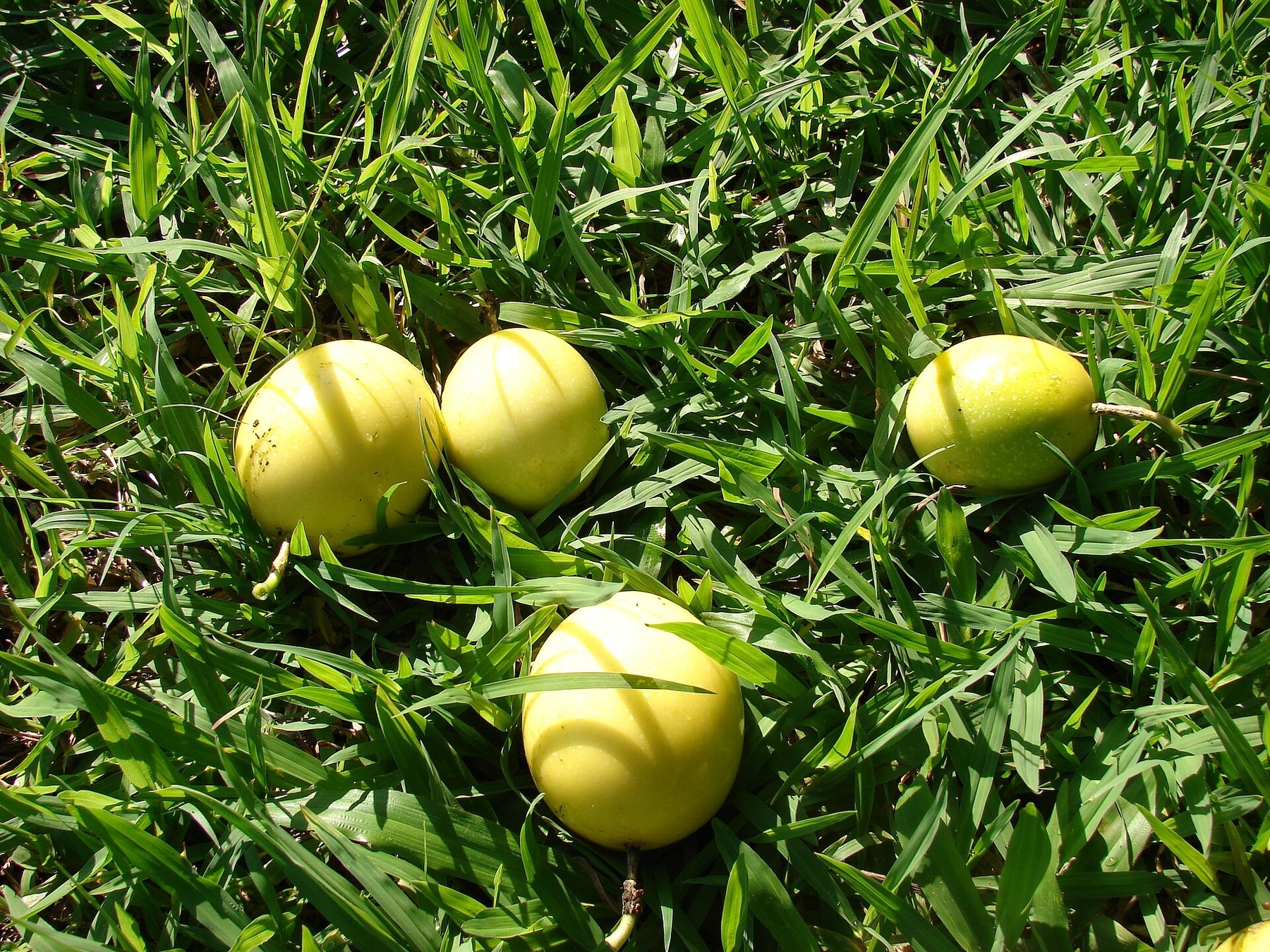
Choosing purple or yellow passion fruit begins with a clear product identity, not an assumption that one colour guarantees the preferred taste. International suppliers may use commercial names, local names or cultivar names differently. Ask what the offered description means and connect it to an identified sample. This gives both parties a shared starting point before comparing price or application performance.
Separate the broad type from a documented cultivar
UF/IFAS describes yellow and purple passion fruit types as well as hybrids and variation among cultivars. Use that background to ask better questions rather than to identify a cultivar from one photograph. A peel colour description can be useful, but it does not independently establish the genetic identity or origin of the fruit.
Record the supplier's exact name for the product and any supporting cultivar information. If the cultivar is unknown or not documented, keep that status visible. Do not replace it with a familiar name simply to complete a product-data field.
Connect identity with intended use
State whether you need fruit for whole-fruit retail, halved presentation, a beverage or another application. Request observations relevant to that use rather than assuming every fruit within a colour category behaves alike. For example, a serving trial may examine appearance and handling, while an ingredient trial may focus on the prepared pulp and recipe result.
- Commercial name and any confirmed cultivar.
- Whole-fruit and cut-fruit sample photographs with matching codes.
- Observed peel colour and fruit condition at the sample date.
- Preparation method and intended application.
- Lot information and the scope of any supporting records.
Compare samples without changing the question
Give samples A and B separate codes and use the same preparation and evaluation procedure. Two peel colours do not necessarily prove that the samples represent two distinct documented cultivars. Likewise, two samples with similar colour can differ in maturity, handling or other characteristics that need clarification.
Record the result at the sample level. Do not turn a preferred tasting into a general statement that all yellow or all purple fruit is superior. Ask how the commercial lot will match the approved description and what happens if the actual supply differs.
Carry the agreed identity into the order
Use consistent wording on the enquiry, sample record, quotation and packing instructions. If the buyer requires a specific type, state whether any alternative needs separate approval. Keep identity distinct from quality acceptance: correctly named fruit can still fail another agreed requirement.
For buyers coordinating across English, Chinese, Arabic or Vietnamese, retain the original commercial name alongside the agreed translation. That reduces the risk of a translation introducing an unsupported cultivar claim. The final brief should identify what has been confirmed and which performance characteristics still require an actual-lot trial.
Provide your intended use and the passion fruit description you require through the HAFAMEX Passion Fruit page before requesting matching samples.
Related guide: Fresh Passion Fruit, Puree or Concentrate: Write a Clear RFQ.
References: UF/IFAS: Passion Fruit Postharvest Handling Practices and Physiological Disorders.
Other language versions: Tiếng Việt · 简体中文 · العربية.
Illustrative photograph: Forest & Kim Starr — Starr 061128-1640 Passiflora edulis.jpg · Source · CC BY 3.0. Resized and orientation normalized for website display.


