
Pink Pomelo Segments: Measure Preparation Time and Capacity
Measure the labour needed to prepare accepted pink pomelo segments. Separate peeling, membrane removal, sorting and changeover before planning kitchen capacity.
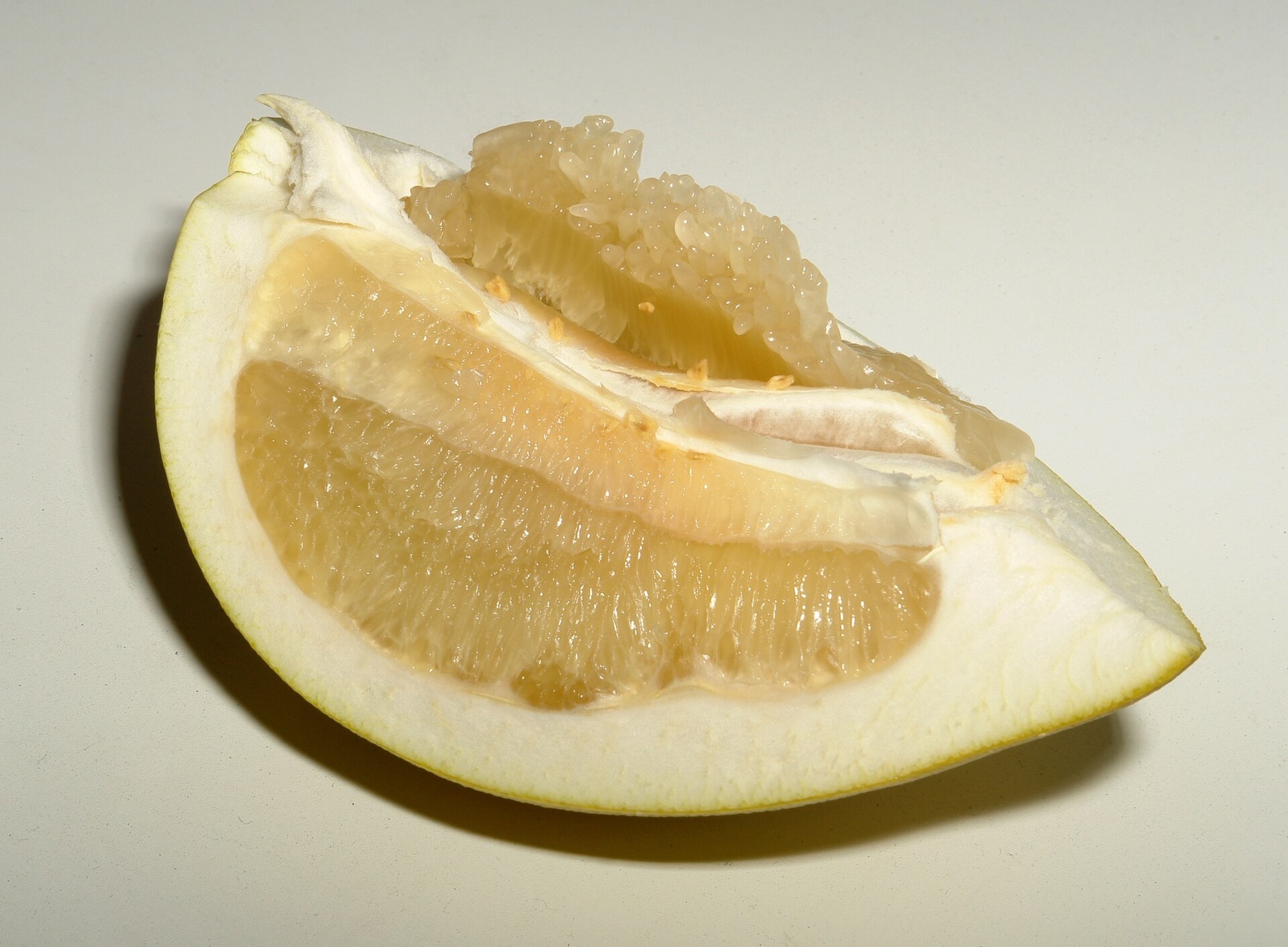
Pink pomelo segment preparation can become a bottleneck even when the purchased fruit has an attractive price. Peeling, removing membranes, checking segments and cleaning the workstation all consume staff time. A short time study helps a kitchen understand whether the fruit fits its service plan. Measure accepted output from a defined method rather than assuming every kilogram received becomes ready-to-serve product.
Describe the finished segment
Define whether membranes, seeds, broken pieces and small fragments are allowed in the intended dish. A salad component and a display of intact segments may require different work. Keep their output separate instead of timing one preparation method and assigning its performance to both products.
Provide the operator with a photographed example of the accepted portion. Record the starting fruit condition and sample lot. If the preparation specification changes midway through the trial, close that result and start a new version so the recorded speed remains interpretable.
Time the tasks separately
- Station setup, tools and receipt of identified fruit.
- Removal of outer peel and separation of segments.
- Membrane and seed removal to the stated standard.
- Inspection, portioning and transfer to the next controlled stage.
- Changeover, cleaning and disposal of preparation waste.
Use the operation's approved hygiene procedures throughout. Timing should not reward shortcuts in hand hygiene, separation of tasks or handling of prepared fruit. FDA produce guidance highlights the need to prevent contamination during preparation; the trial should work within the kitchen's controls, not replace them.
Count labour minutes as well as elapsed time
Suppose two workers prepare six kilograms of accepted segments in forty-five minutes. That is ninety labour minutes, or fifteen labour minutes per kilogram. Calling the result forty-five labour minutes would overlook the second person. If setup and cleaning add thirty labour minutes, the complete total becomes 120, or twenty per kilogram.
These figures illustrate the calculation and are not an expected pomelo rate. Record interruptions and each person's role. A worker who occasionally assists another station should not be counted as fully dedicated for the entire period unless that matches the actual allocation.
Test whether the result scales to service
Repeat the method with the equipment and staffing available at the intended service volume. Check whether inspection, portioning or the next workstation limits throughput after peeling becomes faster. Keep prepared-fruit holding arrangements within the operation's validated food-safety plan; a labour calculation does not establish a safe holding period.
Compare results across more than one fruit sample and operator before setting a planning rate. Separate initial training from established work, but retain both as business costs. The useful output is a range of observed labour requirements with a clear preparation specification, not a guaranteed speed for all later lots.
Use the HAFAMEX Pink Pomelo page to describe your required segment format and preparation trial, so sample discussions focus on the fruit your kitchen will actually handle.
Related guide: Pink Pomelo Yield: Rind Thickness and Dry Segments.
References: FDA: Selecting and Serving Produce Safely.
Other language versions: Tiếng Việt · 简体中文 · العربية.
Illustrative photograph: George Shuklin — Citrus maxima piece.jpg · Source · CC BY-SA 1.0. Resized and orientation normalized for website display.


